
A fresh coat of paint can’t conceal cracked stucco, failing finishes, or a project plan that disrupts daily operations. For property owners comparing commercial painting contractors scottsdale, the quality of the result depends on what happens before the first coat: assessing each surface, addressing needed repairs, and planning how work will fit the site.
A cohesive, professional appearance starts with a scope that reflects the building’s condition and use. That may include exterior painting and stucco repair, interior painting and drywall restoration, or wood refinishing and decorative finishes. It also means identifying occupied areas and access needs before work begins.
This guide explains how restoration affects the finished appearance, what to include in a project scope, and how to plan painting around an active commercial property. Crandall Painting & Stucco combines painting and restoration for commercial properties in Scottsdale and the Phoenix metro area, helping owners connect visible surface concerns with the finish they want.
Key Takeaways
- Set the project scope around the property’s use, surface condition, and appearance goals, not just the areas that need a new coat.
- Address visible stucco or drywall damage before painting so repairs can be considered as part of the finished surface.
- Compare interior, exterior, and restoration-led scopes to understand how surfaces, access, and finish expectations shape the work.
- When reviewing commercial painting contractors scottsdale, consider how painting and restoration can be coordinated within one project plan.
- Plan around tenants, employees, customers, and building access, then review completed areas against the agreed scope.
Why Scottsdale Businesses Choose Commercial Painting Contractors for More Than a New Coat
A well-maintained commercial property can feel more welcoming to visitors and more consistent with the business it represents. Painting also offers an opportunity to address worn finishes and visible surface damage. The right scope depends on more than color: consider the building’s condition, how each space is used, and the impression you want the property to make.
Commercial painting is a coordinated surface-preparation and finishing project shaped by a property’s condition, use, and appearance goals. For owners comparing commercial painting contractors scottsdale, this distinction helps explain why a useful project plan can include restoration as well as paint.
What commercial painting can include
Interior and exterior work address different surfaces and needs. Interior painting can refresh walls and other suitable surfaces in offices or shared commercial spaces. Room use and the desired appearance help guide finish choices. Exterior painting focuses on the building’s outward presentation. In Scottsdale and the Phoenix area, strong sun exposure is an important consideration when reviewing exterior surfaces, along with the substrate, its condition, and the finish expectations.
Preparation may include repairing damaged areas before painting. Stucco repair and drywall restoration address visible imperfections that could otherwise remain noticeable beneath a new finish. Depending on the property, wood staining, wood restoration, or decorative finishes may also suit specific features. These connected painting and restoration services let the scope account for different materials across a building instead of treating every surface alike.
The broader idea behind Commercial art is that visual choices can help communicate a business or idea. A property’s finishes contribute to that impression, from its public-facing exterior to the interior spaces where people spend time.
How property use shapes project priorities
Each property needs its own balance of appearance, access, and surface work. In an office, shared areas and workspaces may call for a consistent interior finish that reflects the business. In other commercial interiors, the scope may depend on how occupants and visitors move through rooms and which surfaces are most visible. Exterior areas put the building’s presentation in view, so exposed materials and sun exposure matter in planning.
These factors help owners identify practical priorities: which areas are central to the property’s visual identity, where damage needs attention, and how occupants, employees, or customers use the space. A cohesive result starts by matching the work to those conditions. Crandall Painting & Stucco combines commercial painting with stucco and drywall restoration, helping Scottsdale-area property owners consider the finish and the surfaces beneath it as parts of one project.
How Commercial Painting and Surface Restoration Create a More Cohesive Finish
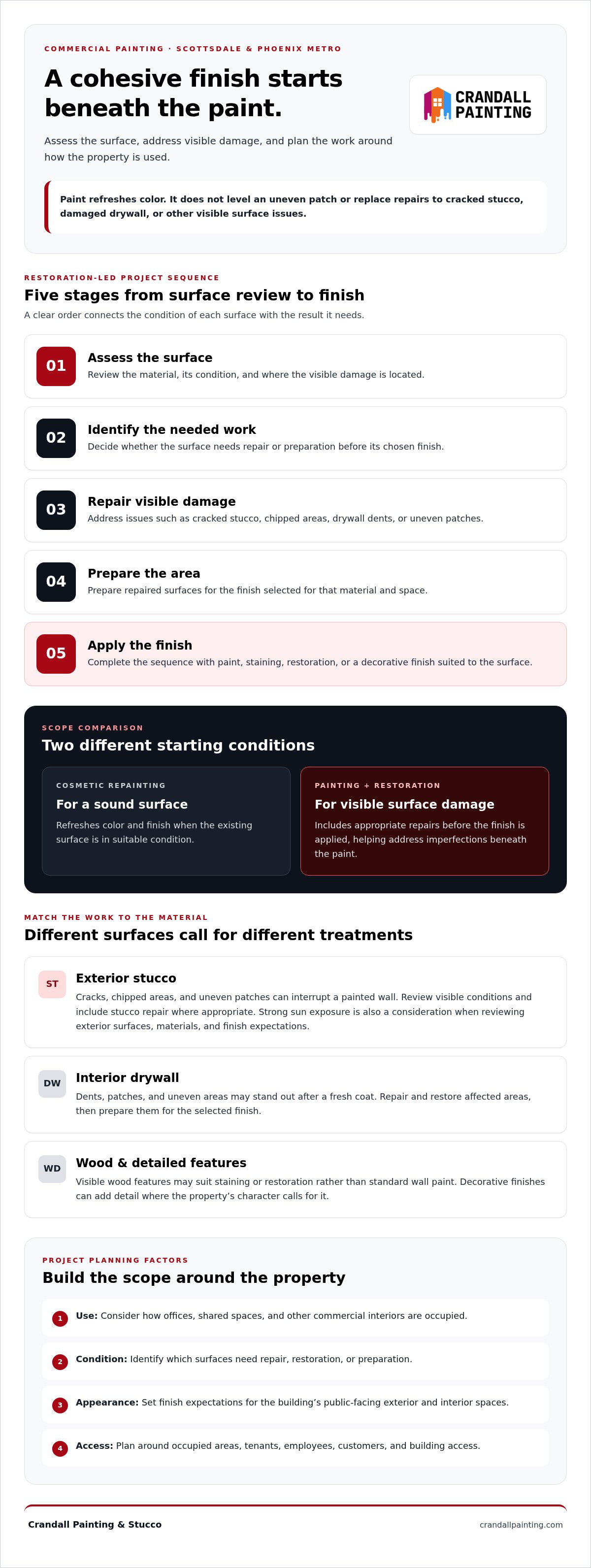
A consistent finish starts with the surface beneath it. Paint can refresh color, but it won’t level an uneven patch or conceal every crack and dent. Before choosing a finish, review what the surface is made of, where it’s damaged, and whether it needs repair or preparation. This sequence helps create a more considered result than applying a fresh coat over flaws that remain visible.
Cosmetic repainting refreshes a sound surface; painting paired with restoration addresses visible damage before the finish is applied. For commercial painting contractors scottsdale, that distinction helps define a scope around the property’s actual surface conditions.
When stucco repair belongs in a commercial painting scope
Cracks, chipped areas, or uneven patches in exterior stucco can interrupt the appearance of a painted wall. Repairing damaged stucco before painting helps create a more consistent surface for the finish. Base the repair scope on visible conditions: painting and stucco repair address surface work, but they don’t replace assessment of unrelated building issues. Keeping those needs separate makes the painting plan clear about the work it is intended to address.
Preparing drywall, wood, and detailed finishes
Interior drywall damage can leave dents, patches, or uneven areas that stand out once surrounding walls are freshly painted. Drywall repair and restoration prepare affected areas for a more even-looking finish. The process starts by identifying the damage, completing the necessary surface repair, and preparing the area for its chosen finish. Paint completes that sequence; it can’t replace the repair itself.
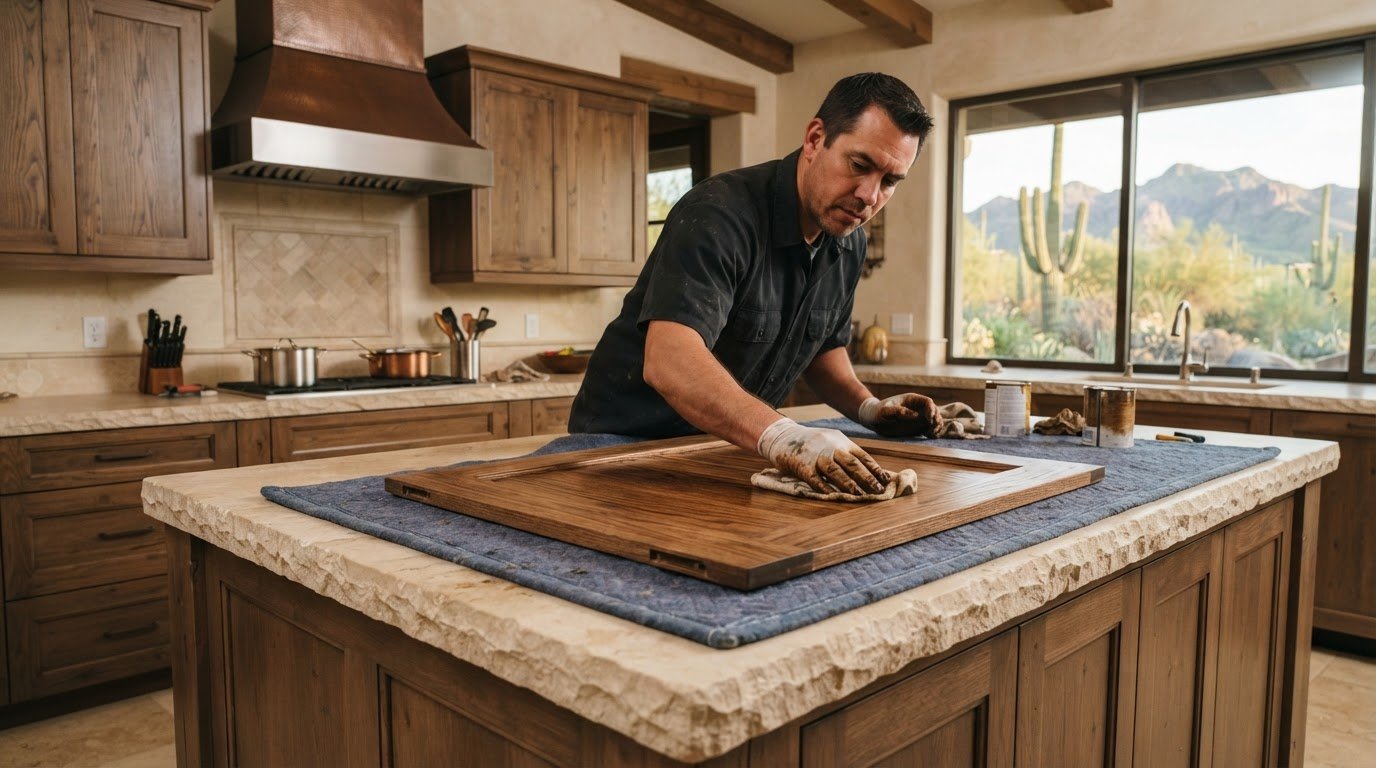
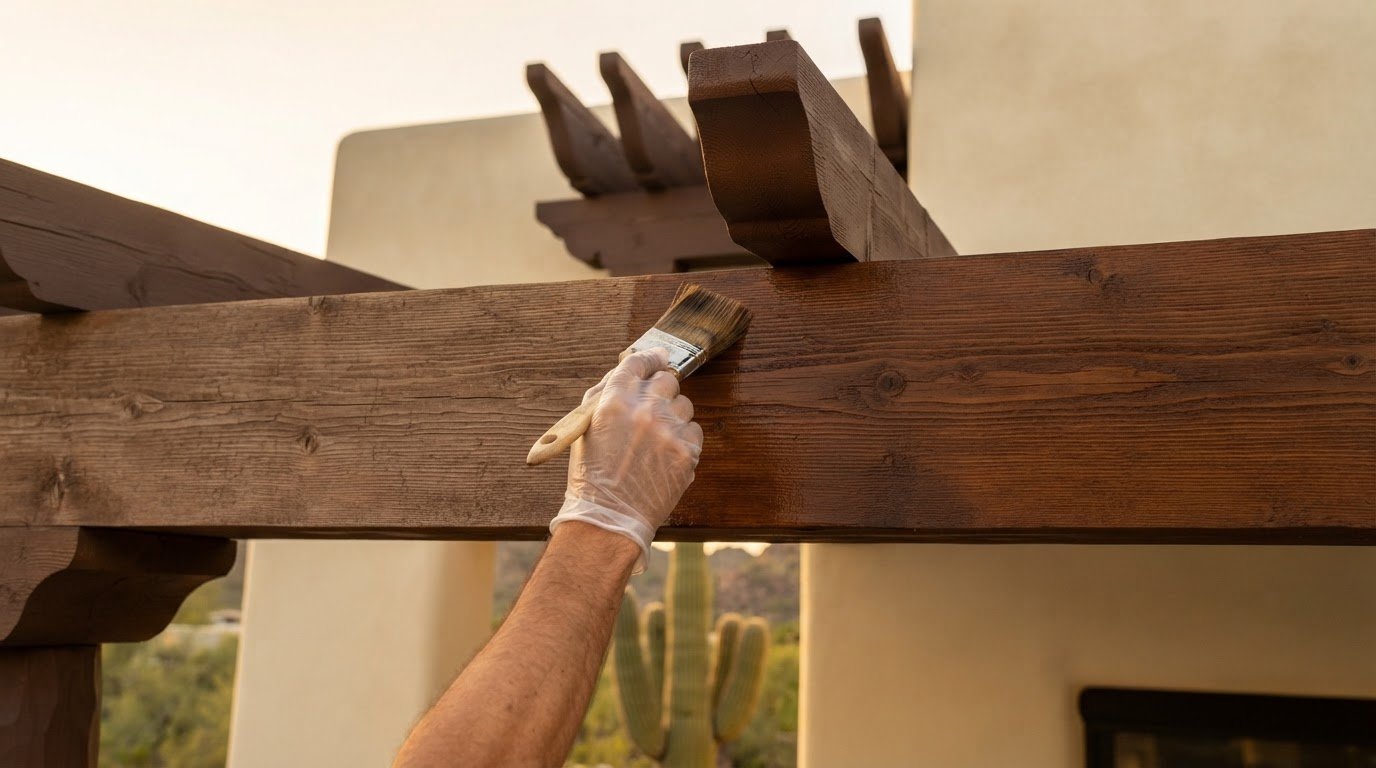
Wood surfaces call for a different approach. If a commercial space has visible wood features, staining or restoration may suit the material better than covering it with standard wall paint. Decorative finishes can add detail where the property’s character calls for it. The appropriate treatment depends on the material, its condition, and the appearance the owner wants.
A restoration-led scope connects several decisions: assess the surface, identify visible damage, complete appropriate repairs, prepare the area, and apply the finish. This order helps avoid a common mismatch, such as a newly painted wall beside an unrepaired patch or a refinished feature that feels disconnected from its surroundings. It also makes it easier to discuss what each part of the project is meant to accomplish.
Commercial painting also calls for safe practices around materials and the work area. OSHA painting safety guidelines provide information relevant to painting work, including worker and site safety considerations. Keeping preparation, restoration, and finishing in view supports a more complete project plan. Crandall Painting & Stucco brings these disciplines together through its commercial painting and restoration services, aligning surface repairs with the intended finish.
What to Compare in a Scottsdale Commercial Painting Project Scope
A clear project scope connects the property’s needs to the work being considered. Rather than treating every building as a standard repaint, Crandall Painting & Stucco considers how spaces are used, the condition of their surfaces, the owner’s desired finish, and how workers will access each area. That gives owners a clearer understanding of what the project includes and why.
For property owners comparing commercial painting contractors scottsdale, the distinctions below are a practical starting point. They describe common scope types, not fixed specifications. The right combination depends on the building.
| Scope type | Needs to consider | Intended outcome |
|---|---|---|
| Interior painting | Wall and trim condition, room use, desired appearance, and access to work areas | A consistent finish suited to occupied commercial spaces |
| Exterior painting | Exterior material and condition, visible wear, access, and Scottsdale sun exposure | A refreshed appearance appropriate to the building and its surroundings |
| Restoration-led work | Stucco, drywall, or wood that needs repair or restoration before finishing | A more cohesive result that addresses the underlying surface as well as its appearance |
Interior, exterior, or combined commercial painting
Interior and exterior scopes differ because their surfaces, exposure, and desired results differ. An interior project may focus on walls and trim in offices or shared spaces. Exterior work considers the building’s outward-facing surfaces and local sun exposure. A combined project can suit owners who want both areas included in a coordinated scope. Crandall shapes the work around the property’s surfaces and priorities rather than applying a one-size-fits-all specification.
Access also informs planning. An office layout, how people move through a commercial interior, and which areas remain in use can affect how work is organized. For a Scottsdale exterior, the material and exposure of each elevation help frame decisions about preparation and finish. These details belong in the project approach because they influence the work that makes sense for the building.
When restoration or decorative work changes the scope
Visible damage can mean repair and preparation are needed before finish coats are applied. Stucco repair may be part of an exterior scope, while drywall restoration can address damaged interior areas before painting. Wood refinishing or restoration can refresh visible wood features, while faux finishing can create a distinct decorative effect. Each addition should fit the property’s condition and design goals.
Crandall brings those decisions together by defining which areas are included, what their surfaces require, and how the intended finish relates to the building’s use. Owners can use this comparison to clarify priorities and understand how restoration or decorative work affects the scope. The resulting plan is tailored to the property’s surfaces and desired outcome.
How to Plan a Commercial Painting Project Around Scottsdale Property Operations
A well-organized commercial painting project starts with the property’s priorities and the people who use it. A clear scope and thoughtful site coordination help organize the work around the building’s needs. For owners considering commercial painting contractors scottsdale, planning the sequence early makes it easier to identify access needs, explain priorities, and review the finished work against the project goals.
A clear scope and site coordination create a shared understanding of what will be painted, how areas will be approached, and what to review at completion.
- Define the goals. Decide whether the priority is a refreshed appearance, attention to worn surfaces, or a combination of painting and restoration.
- Review the surfaces. Note visible concerns such as peeling finishes, damaged drywall, or stucco areas that may need attention.
- Set priorities. Identify the interior or exterior areas that matter most to the property’s appearance and daily use.
- Coordinate access. Consider how tenants, employees, customers, and building access may shape the work sequence and communication.
- Assess the completed work. Review finished areas against the agreed scope and the property’s intended appearance.
Set project priorities before work begins
A site review helps turn general goals into a useful project discussion. Note which areas are most visible, which are in use throughout the day, and where surface concerns appear. Photos and written notes can help describe the location and nature of those concerns. This documentation makes scope discussions more specific, while leaving repair decisions that depend on a closer assessment open until the conditions are reviewed.
Separate confirmed goals from open questions. An owner may know that a reception area needs a refreshed finish, for example, while the amount of drywall restoration depends on the wall condition. Keeping those points distinct helps set priorities without assuming what work is needed before it has been assessed.
Coordinate work with occupants and property access
Access can influence the project sequence. An office with occupied work areas has different planning needs from a building where the work is mostly exterior. Shared entrances, customer areas, tenant spaces, and routes through the property can affect which locations need attention first and how occupants should be informed. Tailor the sequence to the site rather than assuming operations will be unaffected.
Crandall discusses property priorities, visible surface concerns, and access considerations when shaping the work. A clear conversation helps align the intended finish with how the building is used. Discuss your commercial painting project with Crandall to begin outlining a scope suited to the property.
Commercial Painting Contractors in Scottsdale: Crandall’s Craftsmanship and Next Steps
A well-planned commercial painting project brings the property’s goals, surface condition, desired finish, and day-to-day operations into one clear approach. Those priorities help determine whether the work centers on interior painting, exterior painting, surface restoration, or a combination. For owners considering commercial painting contractors scottsdale, a tailored scope reflects the building itself rather than relying on a generic specification.
A connected approach to painting and restoration
Crandall Painting & Stucco is a family-owned painting and restoration company serving Scottsdale and the Phoenix metro area. Its commercial work combines painting with related restoration, so damaged surfaces can be addressed as part of the project plan. Stucco repair can support an exterior painting scope, while drywall restoration can prepare interior areas for a more cohesive finish. Each task has a distinct role guided by the property’s condition.
Other finishes serve specific design goals. Wood restoration or staining may suit a visible wood feature, while decorative painting and faux finishing can add character when they fit the property’s visual identity. The aim is a considered relationship between surfaces and finishes, supported by planning and craftsmanship, rather than adding work that doesn’t serve the project.
Move from project goals to a tailored plan
A useful starting point is a concise description of what you want the project to accomplish. Owners and property managers can prepare details such as:
- The interior or exterior areas being considered
- Visible concerns on stucco, drywall, wood, or painted surfaces
- The appearance or finish they want the project to achieve
- Access needs and how tenants, employees, or customers use the space
These details give the project conversation a practical foundation. A property assessment can clarify the surface work and preparation suited to the building, while access and use inform how the work is approached. Crandall’s painting and restoration experience connects those considerations in a plan tailored to the property.
For owners and managers in Scottsdale and the Phoenix area, a useful next step is to describe the areas in scope, the concerns you’ve observed, and the finish you’re working toward. Crandall serves Scottsdale, cottsdale, Paradise Valley, Carefree, DC Ranch, Desert Mountain, Scottsdale Mountain, and Phoenix. Discuss your commercial painting project with Crandall Painting & Stucco.
Give Your Commercial Property a Thoughtful Next Step
A painting project can shape how people experience your property, from the first impression at the entrance to the details inside. Before moving forward, consider what you want visitors and occupants to notice and which surfaces or spaces matter most to that vision. Clear priorities can turn an initial idea into a focused project conversation.
For property owners exploring commercial painting contractors scottsdale, the next step is connecting those priorities with a considered plan for the building. Crandall Painting & Stucco brings painting and restoration together to align the work with your property’s needs.
Discuss your commercial painting project with Crandall Painting & Stucco to start defining a finish and scope suited to your property.
Frequently Asked Questions
How much do commercial painting contractors in Scottsdale charge?
Commercial painting costs depend on the project’s size, surfaces, condition, preparation, and finish requirements, so there isn’t one rate that applies to every property. A small interior refresh and a project involving extensive repairs have different scopes. To make a project discussion more useful, outline the areas you want painted and note visible damage. This helps Crandall understand the property’s needs and discuss a scope suited to the work.
How long does a commercial painting project usually take?
Project duration varies with the amount of work, surface condition, and access at the property. Repair work or detailed finishes can add steps beyond painting alone. For a useful planning conversation, identify busy areas, tenant or customer access needs, and any preferred sequence for different spaces. The expected schedule can be discussed once the project scope and property conditions are understood.
Can commercial painters repair stucco before painting?
Yes. Crandall Painting & Stucco provides stucco repair alongside exterior painting, allowing damaged stucco surfaces to be addressed as part of a painting project. For example, an owner might identify cracked or chipped areas on a visible façade for review before the finish is applied. Stucco repair addresses the stucco surface itself; unrelated building concerns need separate assessment rather than being treated as painting work.
What types of commercial properties can Crandall Painting & Stucco paint?
Crandall provides interior and exterior painting for commercial properties, including offices, storefronts, and shared business spaces. The appropriate scope depends on the surfaces involved and how the property is used, rather than a one-size-fits-all property category. Crandall serves Scottsdale and the Phoenix metro area, including Paradise Valley, Carefree, DC Ranch, Desert Mountain, and Scottsdale Mountain. Owners can describe the property and their goals to start a project discussion.
Does commercial painting include drywall restoration?
It can. Crandall Painting & Stucco offers drywall repair and restoration with interior painting, so damaged wall areas can be addressed within a broader project scope. The amount of restoration depends on the property’s condition: a limited patch and widespread wall damage call for different considerations. Identifying the rooms and affected areas helps clarify whether restoration belongs in the painting plan.
How often should a commercial property in Scottsdale be repainted?
There’s no single repainting interval that suits every Scottsdale property. Exterior exposure, the direction a wall faces, the material, and the condition of the existing finish all influence when attention may be appropriate. Indoors, use and visible wear can also guide the decision. Rather than relying only on a calendar, owners can periodically review surfaces for fading, peeling, or damage and consider the property’s appearance goals.
Can a commercial painting project include wood staining or decorative finishes?
Yes. A commercial project can include wood staining, wood restoration, decorative painting, or faux finishing when those treatments suit the property’s design goals and surfaces. A visible wood feature, for example, may call for staining or restoration rather than standard wall paint, while a selected interior area may benefit from a decorative finish. The project scope can include these details alongside other painting work.