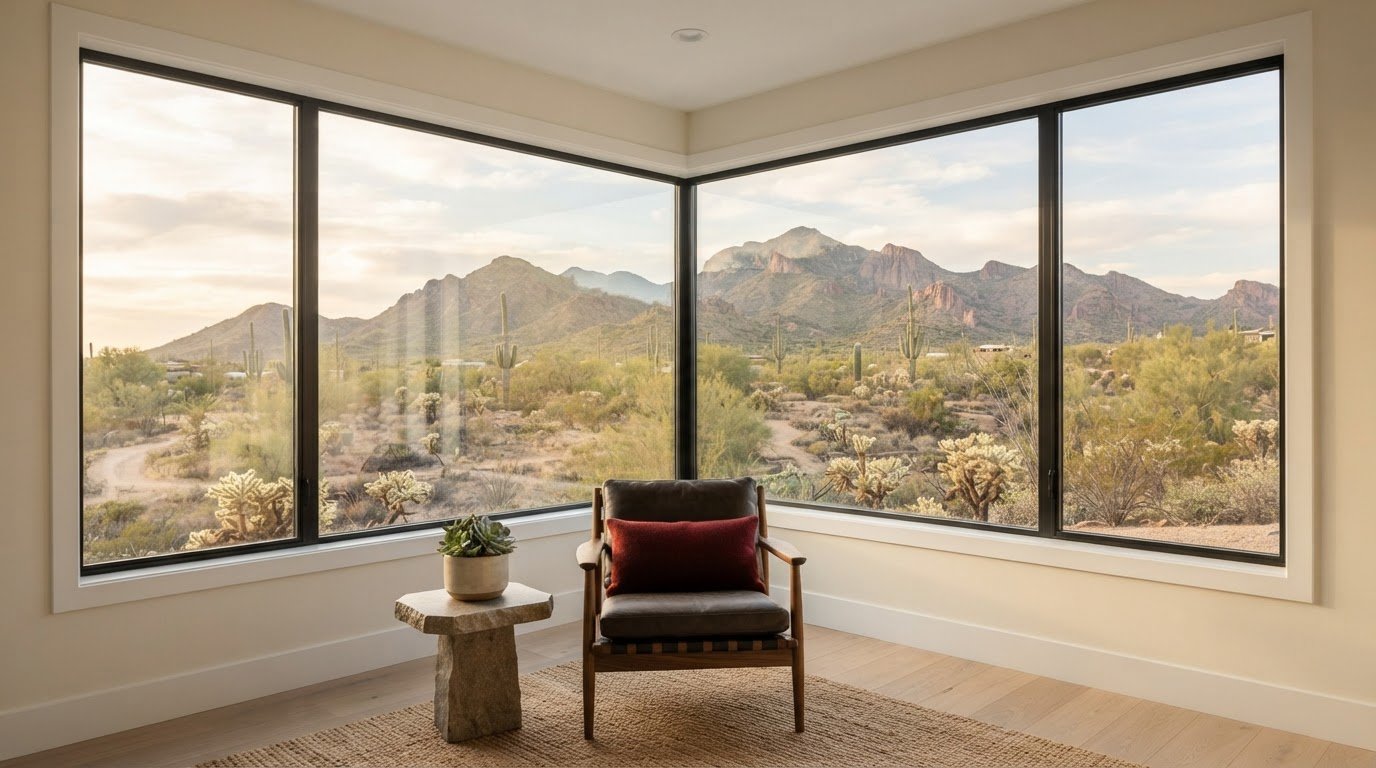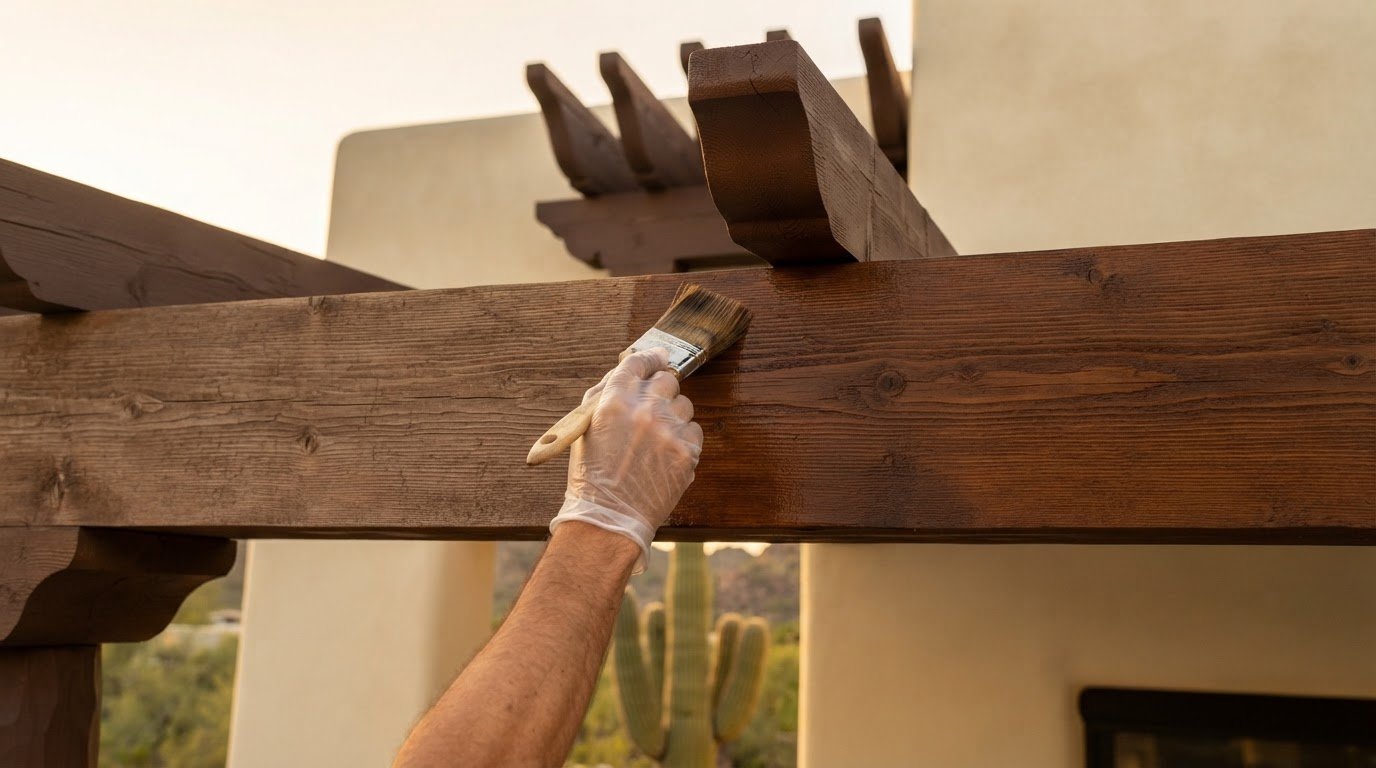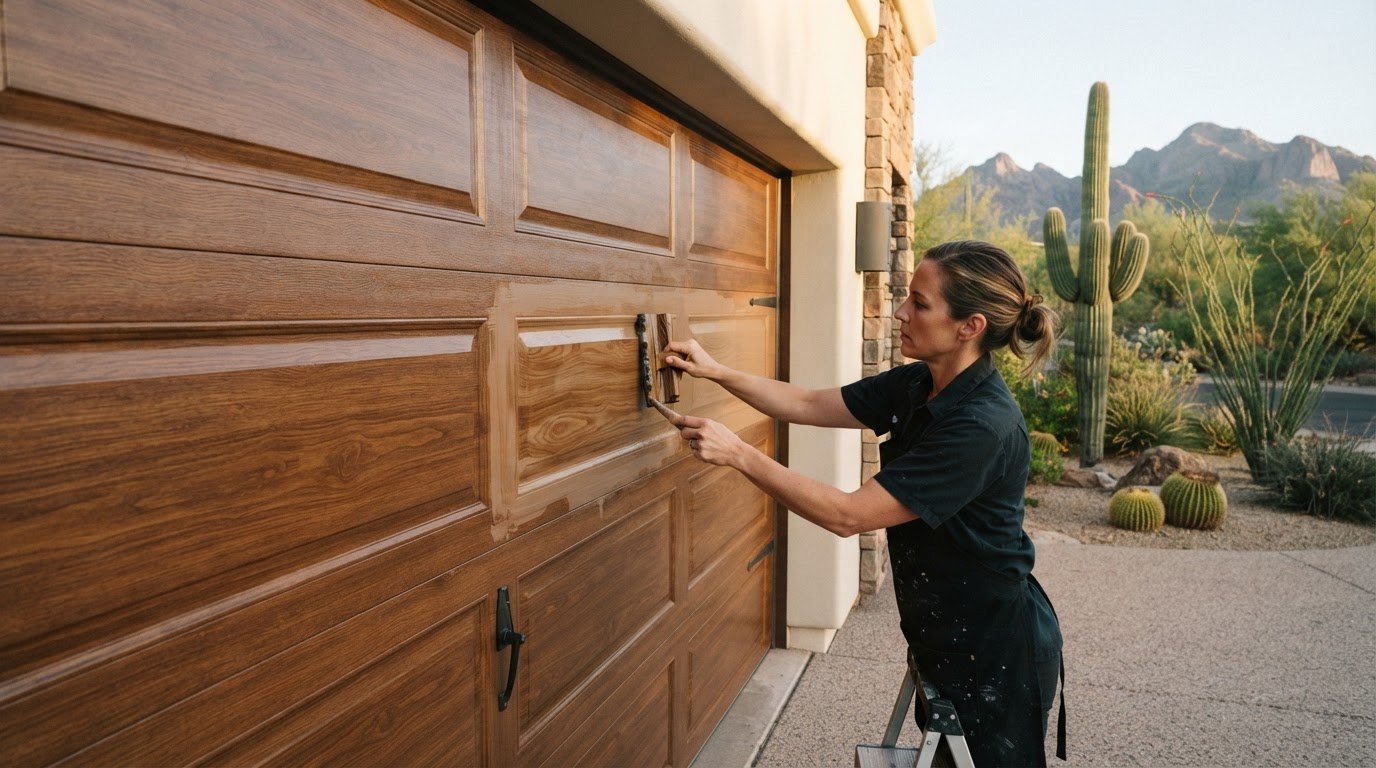

A sunroom or lanai should feel connected to the rest of your home, not like an afterthought. Professional interior painting for sunrooms and lanais in Scottsdale Mountain can refresh these bright, distinctive spaces with colors and finishes suited to their natural light and surroundings.
Because these rooms have their own character, it helps to consider color, surface preparation, and how furnishings and floors will be protected before painting begins. This guide explains what a sunroom or lanai painting service can include, how color consultations and free estimates support planning, and what to expect from careful preparation through the finished result. You’ll also learn which project details shape the approach, so you can plan a thoughtful update for your home.
Key Takeaways
- A free estimate and color consultation can help clarify the project scope and shape a palette suited to your sunroom or lanai.
- Learn how interior painting can refresh these spaces while coordinating with the home’s existing finishes and natural light.
- Understand how thoughtful preparation and protection help keep furniture and surrounding areas clean during painting.
- See what a professional painting project may include, from assessing surfaces to completing the final finish.
Free estimates and color consultations
A sunroom or lanai estimate in Scottsdale Mountain depends on the room’s size, surface condition, access, and requested finish. Crandall Painting & Stucco reviews the walls, ceiling, trim, and any areas needing repair or refinishing to define the project scope. For example, detailed window trim calls for a different preparation plan than a simple, uninterrupted wall.
A clear estimate separates preparation from painting, making the proposed work easier to understand. During the consultation, identify the surfaces to be painted, whether trim is included, and any existing damage that needs attention. This helps distinguish a color change from a broader refresh that includes surface repairs or wood refinishing.
Choose colors with the room’s natural light and connection to nearby spaces in mind. In Arizona, a sunroom may look brighter at one time of day and more subdued later. Compare samples with the flooring, furnishings, and adjacent rooms to see how the colors shift. A soft neutral can create continuity, while an accent color can define a reading nook or architectural detail.
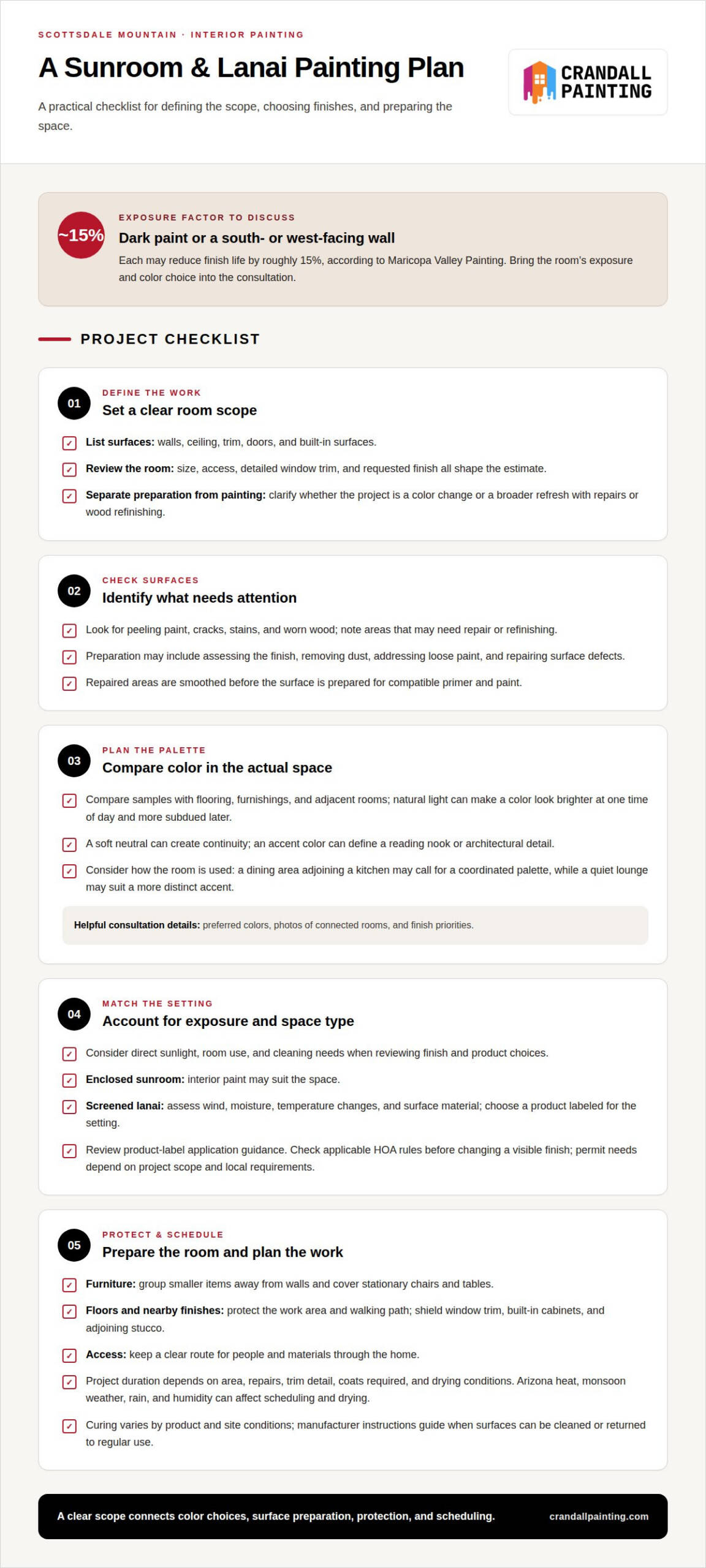
- Room scope: Include walls, ceiling, trim, doors, and any built-in surfaces in the estimate.
- Surface condition: Identify peeling, cracks, stains, or worn wood that could require preparation or refinishing.
- Color direction: Compare sample tones with existing finishes and the room’s changing light.
A useful Scottsdale consultation also considers how you use the sunroom. A dining area adjoining a kitchen may benefit from a coordinated palette, while a quiet lounge may suit a more distinct accent. Share your preferred colors, photos of connected rooms, and finish priorities. These details help tailor the estimate to the space instead of relying on a broad description.
A dark paint color or a south- or west-facing wall each reduces the finish life by roughly 15%, according to Maricopa Valley Painting. Bring those conditions into the consultation when discussing color and finish choices. The estimate can then reflect the room’s exposure and the selected palette, alongside its surfaces and preparation needs. Comparing samples in the actual space also helps you consider how a preferred color fits the room’s light and nearby finishes.
Interior painting services in Scottsdale and surrounding areas
Sunrooms in Scottsdale, including Scottsdale Mountain, need finish choices and preparation suited to each room’s exposure. Strong sunlight, screened openings, HOA guidelines, and project timing can all shape the work.
Paint Finishes and Products for Sun Exposure
For a sunroom exposed to Arizona light, the finish and product should suit the surface and its exposure. A professional considers how direct sunlight, room use, and cleaning needs affect the selection. Review the product label for its intended interior use and the manufacturer’s application guidance. A pale wall beside a bright window, for example, may show color variation differently from a shaded accent wall.
Before changing a visible finish, review the applicable HOA rules for your community. Requirements can vary, especially when a change affects an exterior-facing surface. Permit needs depend on the project scope and local requirements. Painting and structural changes are different types of work.
Painting Scope and Surface Preparation
A detailed scope names the walls, ceiling, trim, and other surfaces included. Preparation starts with assessing the existing finish, removing dust, addressing loose paint, and repairing surface defects. Repaired areas are smoothed before the surface is prepared for compatible primer and paint. This sequence supports an even result instead of hiding damage beneath a fresh coat.
Arizona heat and monsoon weather can affect scheduling, particularly in spaces exposed to outdoor air. The forecast and site conditions help determine when coatings can be applied. Rain, humidity, and heat can influence drying, so the work plan should follow the product’s application instructions.
Paint for Screened and Semi-Outdoor Spaces
Interior paint may suit an enclosed sunroom, while a screened lanai can face more wind, moisture, and temperature changes. Assess the space’s exposure and surface material before selecting a coating, and choose a product labeled for the setting. This distinction helps avoid treating a semi-outdoor area like a sealed room.
Project Duration and Paint Curing
Project duration depends on the area, surface repairs, trim detail, coats required, and drying conditions. Curing also varies by product and site conditions, so the manufacturer’s instructions guide when painted surfaces can be cleaned or returned to regular use. For a clear plan, review professional painting services and consider how the room’s exposure affects scheduling.
Protecting furniture and keeping the work area clean
When hiring an interior painter in Scottsdale Mountain, review the project scope, surface preparation, furniture protection, and cleanup plan. Ask how the crew will protect cabinets, handle repairs, and keep adjacent living areas orderly. A clear walkthrough can identify delicate finishes and access concerns before work begins.
In a sunroom, protection starts by identifying what will stay in place and what needs moving. Smaller items can be grouped away from walls, larger furniture covered, and floors shielded along the route to the work area. For example, a glass table near a freshly painted wall needs protection from both accidental contact and paint splatter.
- Furniture: Cover stationary chairs and tables, and move smaller pieces away from active surfaces.
- Floors: Protect the walking path and the area directly below the work.
- Nearby finishes: Shield window trim, built-in cabinets, and adjoining stucco from dust or paint.
- Room access: Keep a clear route for people and materials through the neighborhood home.
Preparation should match each surface’s condition. Before masking, inspect trim, window frames, and nearby cabinet faces, particularly if the cabinets have recently been refinished. In Scottsdale Mountain, a sunroom that opens to a patio may also need a clear separation between interior work and exterior surfaces. This keeps the scope focused and limits unnecessary disturbance.
Before work begins, ask how used coverings and paint containers will be handled and how the room will be left at the end of each work period. A professional should explain the cleanup sequence and identify any areas that need to remain undisturbed while coatings dry. These details matter when the sunroom connects directly to a kitchen or main living area.
What does interior painting for sunrooms and lanais in Scottsdale Mountain include?
A professional project starts by defining the surfaces and finish in the written scope. For a sunroom, this may include walls, ceiling, window trim, doors, or one accent wall. A lanai needs its own assessment because screened openings can expose surfaces to outdoor conditions. Clear boundaries align preparation, materials, and the final walkthrough with the space.
Next, inspect each surface for peeling paint, cracks, stains, and uneven areas. Preparation may include cleaning, scraping loose coating, filling small defects, and smoothing repairs before primer or paint is applied. For example, a patch on a bright wall may need careful blending to keep the finish consistent. The coating should suit the surface and the room’s exposure.
- Scope review: Identify walls, ceilings, trim, doors, and any decorative details.
- Condition assessment: Note damaged or uneven areas that need repair before painting.
- Surface preparation: Clean and prepare surfaces for an even coat.
- Application: Apply the agreed finish to the listed areas and allow appropriate drying.
- Final review: Inspect edges, corners, trim, and repaired spots for consistent coverage.
Windows and trim often need more detailed work than broad wall surfaces. Define crisp edges where painted trim meets glass or adjoining walls. In a room with built-in shelving, the scope should distinguish the shelves from the walls. This avoids assuming every visible feature receives the same finish.
At completion, a walkthrough helps compare the finished work with the agreed scope. Review corners, transitions, and areas near windows in the room’s usual light. For a lanai with surfaces exposed to outdoor air, confirm that the selected coating is intended for those conditions. This clarifies the project’s scope and distinguishes interior painting from exterior work.
For a sunroom or lanai refresh, explore professional painting services as a next step.
Crandall Painting & Stucco: Interior Painting
Crandall Painting & Stucco provides interior painting for sunrooms and lanais when you’re ready to refresh the space with a professionally finished look. The work can include walls, ceilings, and trim within the agreed scope, with preparation tailored to each surface’s condition and the room’s use.
Turn to Crandall Painting & Stucco when your sunroom’s color feels disconnected from nearby rooms or worn surfaces need an update. If related areas also need attention, exterior painting, stucco repair, and wood staining and refinishing can address those separate needs. A clear scope distinguishes interior surfaces from exterior-facing or semi-outdoor areas.
Share which parts of the room you want refreshed, your preferred finish, and any concerns about the surfaces. These details provide a practical starting point. Contact Crandall Painting & Stucco for a free, no-obligation estimate for your sunroom or lanai interior painting project.
Plan a Sunroom Refresh That Feels at Home
A sunroom can feel more cohesive with the rest of your home when its finishes support how you use the space. Before work begins, decide whether you want a quieter retreat, a brighter gathering area, or a seamless transition to adjoining rooms. Those priorities give the painting plan a clear direction.
For interior painting for sunrooms and lanais in Scottsdale Mountain, Crandall Painting & Stucco can help bring your vision into focus. The company provides interior painting, as well as exterior painting and stucco repair for related surfaces beyond the room’s interior. Keeping these needs distinct helps define a suitable project scope.
Share the room’s intended use, preferred look, and surfaces you want addressed to start a focused conversation. Contact Crandall Painting & Stucco to discuss your project and take the next step toward a refreshed space.
Frequently Asked Questions
How much does it cost to paint a sunroom or lanai in Scottsdale, Arizona?
Crandall Painting & Stucco provides a free, no-obligation estimate, with price upon request. The estimate reflects the project scope, surface condition, preparation needs, and included areas, such as walls, ceiling, or trim. A screened lanai may need a different assessment from an enclosed sunroom. Share the space’s details to help establish a quote tailored to the work.
How do painters protect glass, screens, flooring, and furniture during the job?
Painters use drop cloths, tape, and coverings to protect furniture and flooring, and shield nearby surfaces while working. Glass and screens near painted areas need attention during preparation and application, especially around window frames and openings. Homeowners don’t need to be present during the work. Identifying fragile items or access considerations beforehand helps the crew plan the work area.