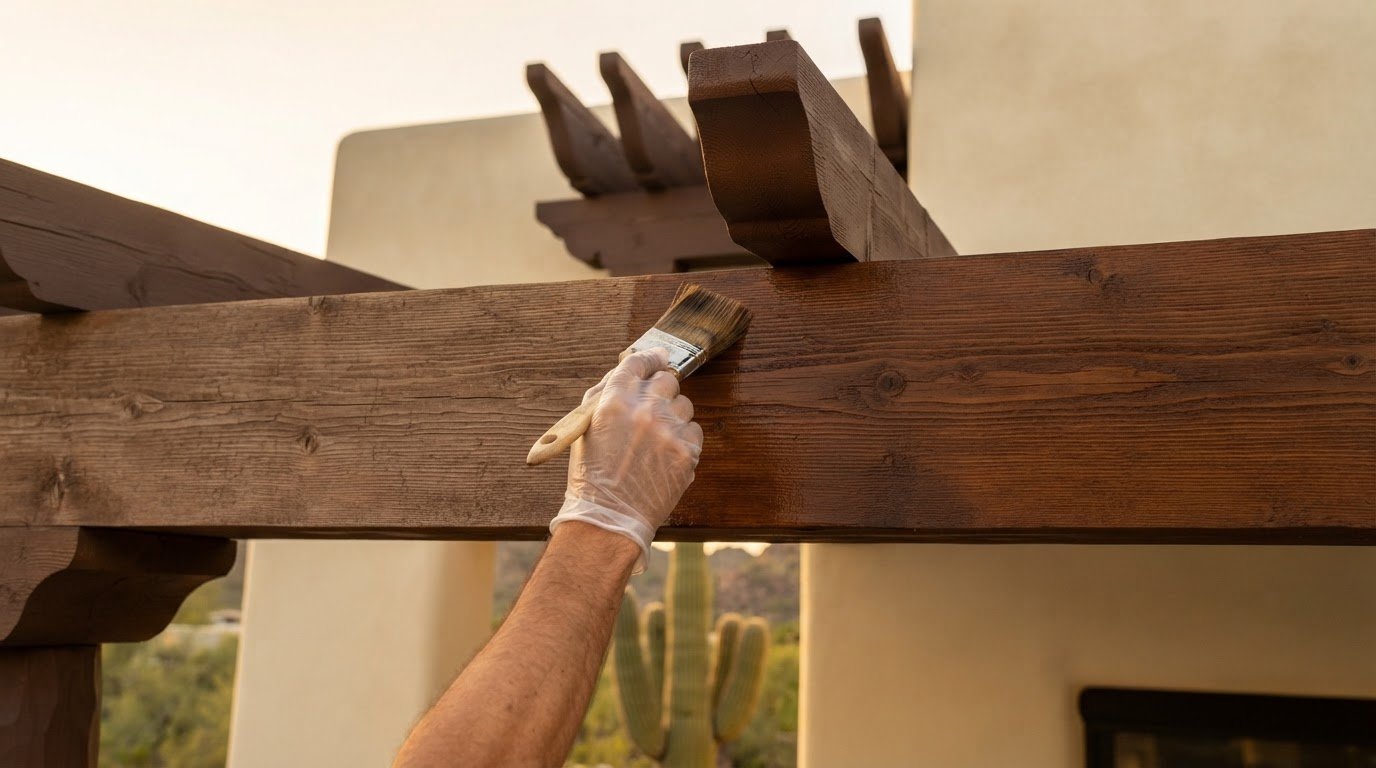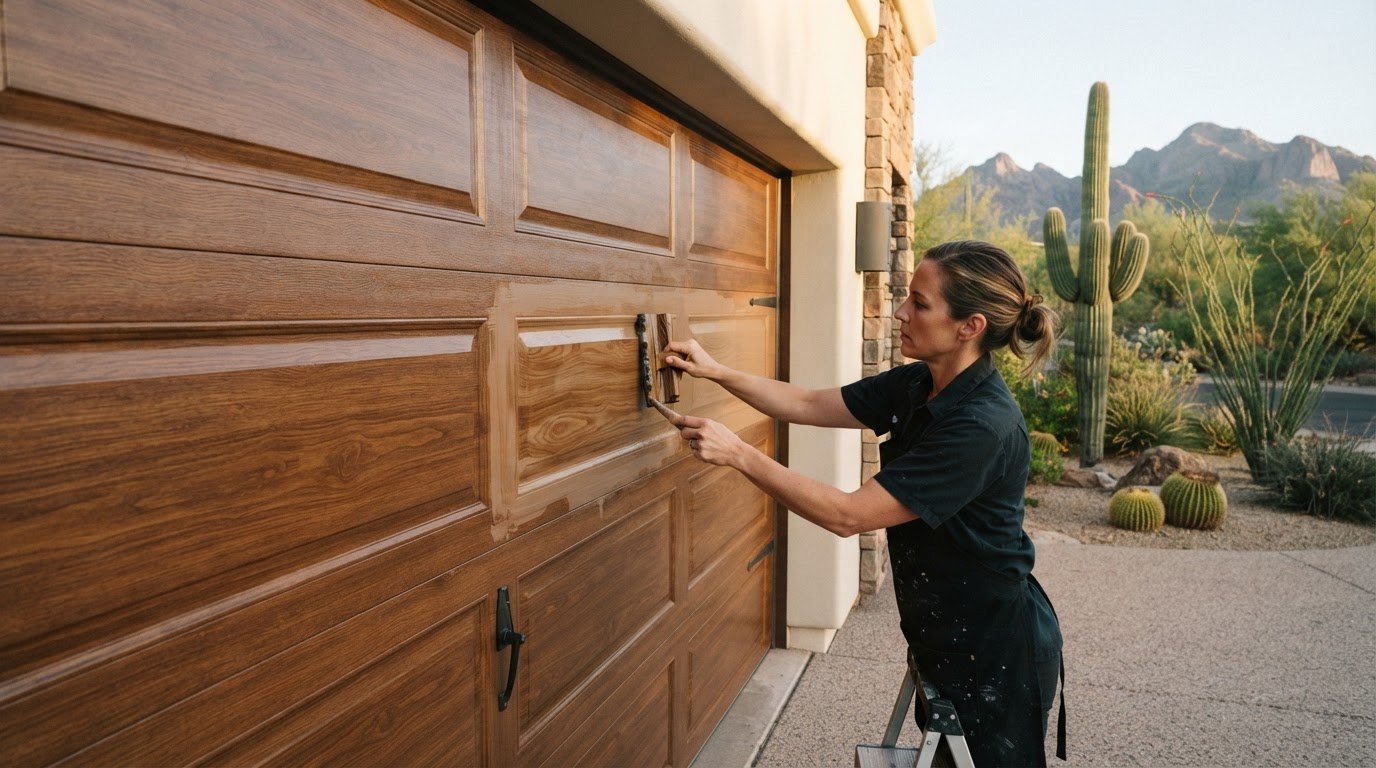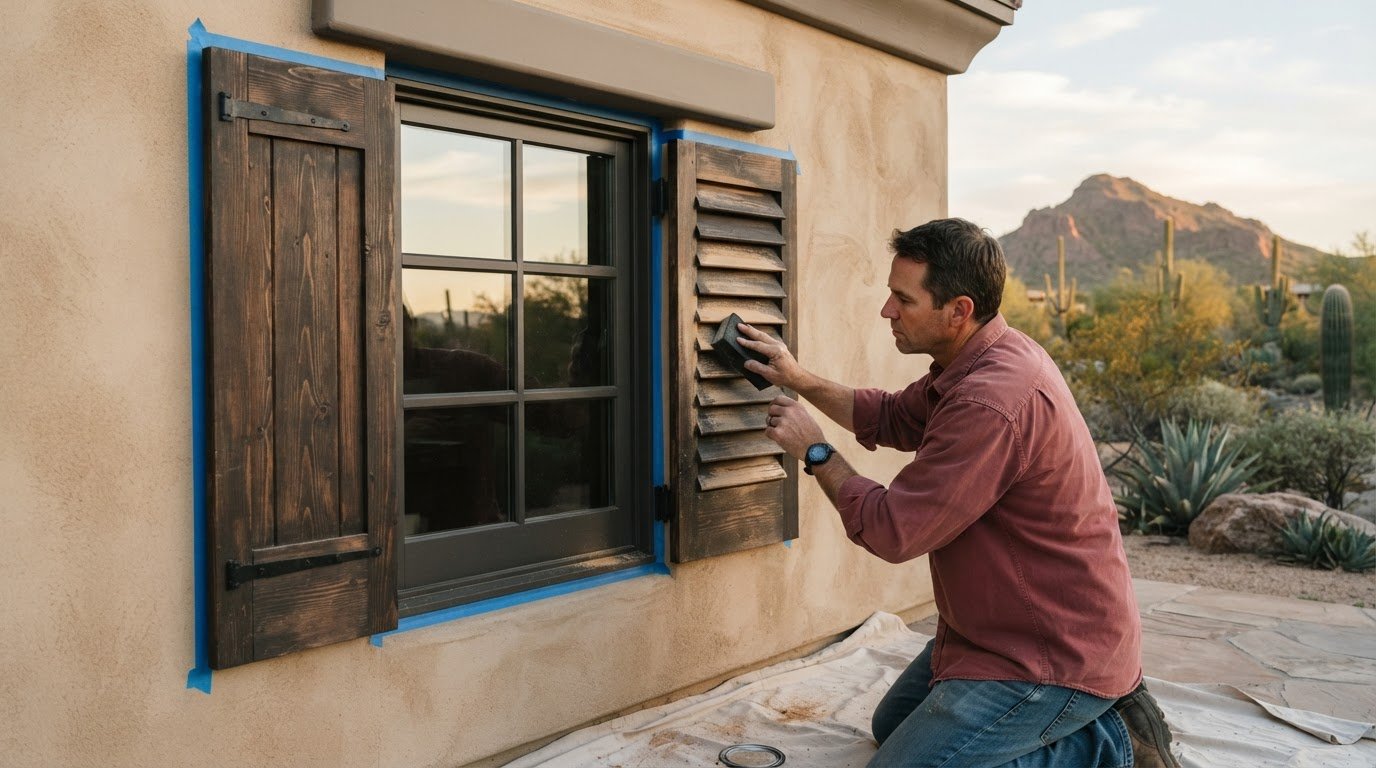

Sun-bleached wood doesn’t always need replacing. Sunlight can cause fading, discoloration, warping, and cracking, so sun-damaged wood restoration in Carefree begins with assessing how far the damage has progressed. From there, a professional can restore the surface in five steps and select a finish and sealant suited to the wood.
It’s understandable to want the wood’s original color and character back while protecting it from further exposure. This guide explains how to distinguish surface damage from more serious deterioration, what restoration involves, and how to choose a protective finish. You’ll also learn when individual floorboards may need replacing and how window coverings, rugs, and furniture placement can reduce direct sun exposure afterward.
Key Takeaways
- A careful assessment distinguishes a restorable surface from wood whose cracking or warping calls for a different remedy.
- Professional restoration follows a considered sequence, with preparation and repair shaping the final finish.
- The right finish and sealant depend on the wood and the look you want; a protective coating can slow, but not eliminate, further sun damage.
- When floor damage is limited to particular planks, targeted replacement may be an option instead of replacing the entire floor.
How professionals apply finish and sealant
There’s no single maintenance interval for exterior wood in Carefree. Cleaning, staining, and resealing depend on sun exposure, the wood’s condition, and how much the coating has worn. A sun-exposed railing may need attention sooner than shaded trim. Fading, peeling, or water absorption can indicate that the existing protection needs assessment. Let the surface condition guide the timing rather than relying on a universal schedule.
Application starts with preparing the surface for its finish. Professionals remove dirt and loose coating, then determine whether more preparation is needed. They choose a finish suited to the wood and its exposure and apply it evenly. Edges, joints, and end grain need careful coverage, since missed areas can leave the wood vulnerable. The final sealant or protective coat must be compatible with the finish.
For floors, a finish can slow further sun damage, but it can’t prevent it entirely. Blinds, curtains, shades, and area rugs can reduce direct exposure. A coating is one part of protection, not a substitute for managing sunlight. The desired appearance matters, too: a transparent finish keeps more of the grain visible, while stain changes the wood’s color.
Small decorative pieces need a different approach from exterior boards. For example, brown beeswax polish can be applied gradually so the restorer can assess the color and stop at the desired shade. On detailed woodwork, a small brush can work polish into cut-outs. In one restoration, polish was applied two or three times a day for three days, and the water stains on the box disappeared after several layers. This example doesn’t establish a schedule for exterior wood.
After application, professionals allow the finish to settle according to the product directions before putting the surface back into use. They check for missed spots and uneven sheen. For wood floors, regular sweeping or vacuuming helps limit scratches from dirt. For exterior surfaces, exposure and visible wear guide decisions about cleaning and resealing. Effective sun protection combines a sound coating with practical shade.
How professionals assess the extent of sun damage
A professional assessment distinguishes faded finish from compromised wood. The inspection starts by noting where sunlight reaches the surface and comparing exposed areas with shaded sections. For example, a pale patch beside an area that stays covered can reveal a difference in color. This pattern helps show whether the damage is localized or spread across a larger surface.
Next, the professional examines both the finish and the wood. They look for peeling, cracks, warping, shrinking, and changes along board edges. If the finish has faded but the wood remains sound, refinishing may be appropriate. Deep splits or movement between floorboards suggest a more substantial problem. A new coating cannot correct structural deterioration.
Water marks also need attention. A wooden box left on a windowsill illustrates why: sunlight bleached the surface, while condensation caused water damage. Discoloration near a window can therefore have more than one cause. The assessment considers the mark’s location, shape, and surrounding finish rather than assuming every pale or dark area is due to UV exposure.
For wood floors, professionals check how far damage extends across individual planks. Severe shrinking, cracking, or warping can make a floor unsafe and may call for replacement. If only specific boards are affected, replacing those planks may be enough. Reviewing the adjacent boards helps distinguish an isolated repair from damage affecting a wider area.
The findings shape the restoration plan. A lightly affected surface may need preparation and a new finish, while damaged wood may require repair before refinishing. The assessment also notes where sunlight falls, so the finished result can be considered in the context of the room’s exposure. For sun-damaged wood restoration in Carefree, this step helps distinguish cosmetic fading from other problems. The recommendation depends on the wood’s condition, the damage pattern, and the owner’s desired result.
Carefree and North Valley sun and UV exposure
In Carefree and the North Valley, direct sunlight can change wood floors over time, causing fading, discoloration, and warping. Areas beside large windows may look different from protected sections. A floor partly covered by a rug may show a noticeable contrast when the rug is moved. These patterns reflect differences in sun exposure, not necessarily differences in the wood itself.
Professionals consider where sunlight falls and how the space is used. A floor by a window receives direct rays, while a corner behind furniture may stay shaded. Outdoor wood also varies by placement: a surface beneath an overhang gets different exposure from an uncovered section. These patterns help determine whether fading is localized or widespread, and inform both restoration and future protection.
After restoration, practical changes can reduce direct sun on wood floors:
- Blinds, curtains, or shades block direct sunlight from floor areas near windows.
- Area rugs shield sections that receive prolonged sun exposure.
- Rearranged furniture can cast shade on previously exposed floorboards.
- Regular sweeping or vacuuming removes dirt and debris that could scratch the floor.
Each measure addresses a different risk. Window coverings limit direct rays, while rugs protect selected areas of the floor. Moving a chair or table may shade a newly exposed patch. Cleaning helps keep abrasive debris from adding scratches to sun-related wear. These steps complement a suitable finish, but they can’t block sunlight entirely. A protective finish can slow additional damage to wood floors, not prevent it completely.
For example, a pale strip beside a window may remain visible after refinishing if nearby boards had less exposure. A rug can also leave a darker area beneath it than on the uncovered floor. Professionals account for these contrasts when planning the desired appearance. They consider the wood’s current color, its exposure, and whether a more even finish is appropriate. In Carefree homes, managing sunlight after restoration helps preserve the renewed surface and its appearance.
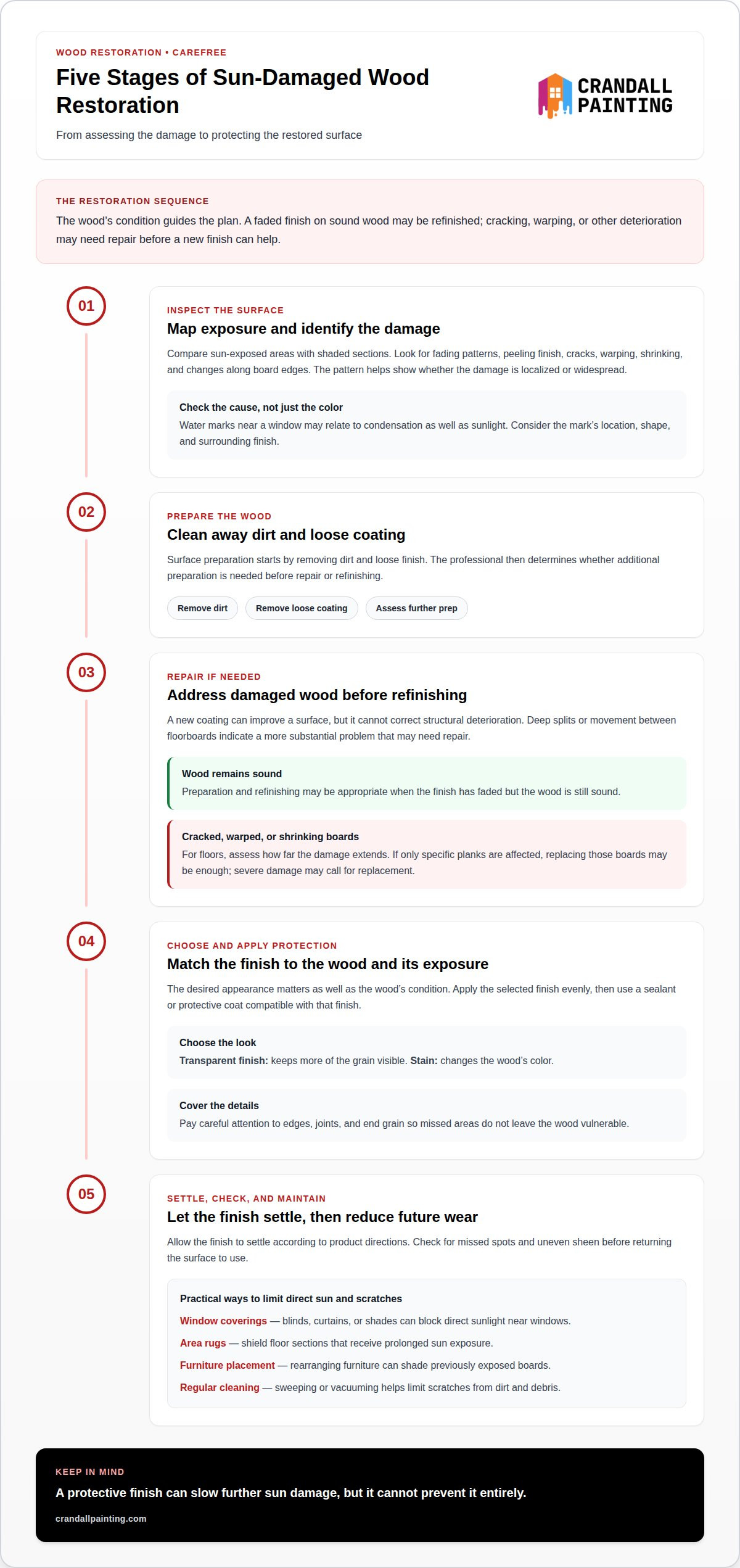
A professional five-step restoration process
A careful sequence helps restore wood without hiding deeper damage. For a deck, fence, or pergola, professionals tailor the work to the surface, its condition, and the selected finish.
- Inspect the wood. The professional identifies fading, loose coating, splits, and warped sections. They also note the surface’s exposure and areas needing repair before refinishing begins.
- Prepare the work area. Nearby surfaces and landscaping are protected, and loose dirt or failing finish is removed. If old exterior materials may contain asbestos, the U.S. Environmental Protection Agency advises not disturbing them.
- Prepare and repair the surface. Professionals address damaged areas and remove finish where the restoration plan requires it. Sanding methods depend on the wood and coating; a 120-grit sanding block is recommended for lightly sun-damaged wood floors, not as a universal rule for every exterior surface.
- Apply stain or finish. The chosen color and finish are applied evenly, with attention to edges, joints, and end grain. Wood staining and refinishing can renew the appearance while preparing sound wood for its protective coat.
- Seal and review. A compatible protective finish is applied, then checked for consistent coverage and sheen. The coating can slow further sun damage, though it cannot prevent it entirely.
For a deck, fence, or pergola, the project estimate depends on the area, access, wood condition, preparation, repairs, and selected finish. More extensive deterioration or difficult access can require more labor and materials.
During sanding and refinishing, professionals manage dust, splinters, and contact with old coatings. They protect surrounding areas and avoid disturbing materials that may contain asbestos. If the wood appears severely compromised, assessment and repair take priority over sanding.
For a tailored restoration plan, request professional wood restoration for your exterior woodwork.
Crandall Painting & Stucco: Wood Restoration
Crandall Painting & Stucco provides Wood Restoration for sun-faded, weathered, or worn wood. Consider professional restoration when fading is uneven, the finish is failing, or you want the surface assessed before refinishing. The work addresses the wood’s condition and renews its appearance with a considered restoration approach.
For exterior wood, an assessment helps determine whether restoration and a protective finish suit the surface. If the project also involves painted exterior areas, Exterior Painting may be relevant. Recommendations depend on the wood and the work required, rather than a one-size-fits-all treatment.
For a professional assessment of your wood restoration project, contact Crandall Painting & Stucco.
Plan a finish that suits your home
Restoration is an opportunity to refine how wood relates to the rest of your home. Consider the surface’s role in the overall design, whether you want its grain to remain prominent, and how its tone will sit beside nearby finishes. These preferences help create a result that feels intentional, not simply renewed.
For a wider project, Crandall Painting & Stucco also offers Exterior Painting, Stucco Repair, and Interior Painting. Coordinating woodwork with adjoining surfaces can create a more cohesive appearance across the property. The next step is to discuss the wood, your preferred finish, and the scope of work for sun-damaged wood restoration in Carefree.
Contact Crandall Painting & Stucco to discuss your project and take the next step toward a considered, beautifully restored finish.
Frequently Asked Questions
What causes sun damage to exterior wood in Carefree, Arizona?
Direct sunlight and ultraviolet exposure can fade and discolor exterior wood in Carefree. Exposure can also contribute to warping as wood responds to changing conditions. A gate facing open sun may look different from a shaded section beneath an overhang. Nearby walls, rooflines, and landscaping can create uneven exposure across a fence or pergola.
How do professionals restore sun-damaged wood outdoors in Arizona’s desert climate?
Professionals tailor outdoor restoration to the wood’s condition, existing coating, and intended appearance. A faded pergola with sound boards, for example, may need a different treatment from a railing with cracked or loose finish. The work can include surface preparation, repairs, staining, and a protective finish. Exposure patterns around the property also help guide the restoration plan and finish selection.
How do professionals clean, sand, stain, and seal weathered wood?
Professionals remove surface dirt and failing coating, then prepare the wood according to its condition and the restoration plan. Sanding may be needed to create a suitable surface for stain. They apply stain evenly, taking care around joints and board ends, then use a compatible sealer or finish. On intricate details, careful application helps prevent missed spots and an uneven appearance.
Which UV-resistant stains and sealers do professionals recommend for wood in Carefree, AZ?
The right stain and sealer depend on the wood, its exposure, and the desired appearance. A transparent finish keeps more of the grain visible, while stain adds color. Professionals select products intended for exterior wood and ensure the protective finish is compatible with the stain. Surface condition and finish goals guide the choice for each Carefree deck, fence, or pergola.
Can severely sun-damaged wood be restored, or does it need replacement?
Some sun-damaged wood can be restored, but severely warped, cracked, or shrunken boards may need replacing. The decision depends on whether deterioration is limited to the finish or has affected the wood itself. If damage to a floor is confined to individual planks, replacing those boards may be enough. A professional assessment distinguishes localized repairs from damage that compromises a wider surface.
Which local Carefree or North Phoenix contractors restore sun-damaged wood?
Crandall Painting & Stucco provides Wood Restoration and Wood Staining and Refinishing for projects in Carefree and Phoenix. These services are suited to exterior wood that needs restoration, refinishing, or a renewed protective finish. The company also serves Scottsdale and Paradise Valley. For a deck, fence, pergola, or other wood surface, the condition and desired result help define the right scope of work.