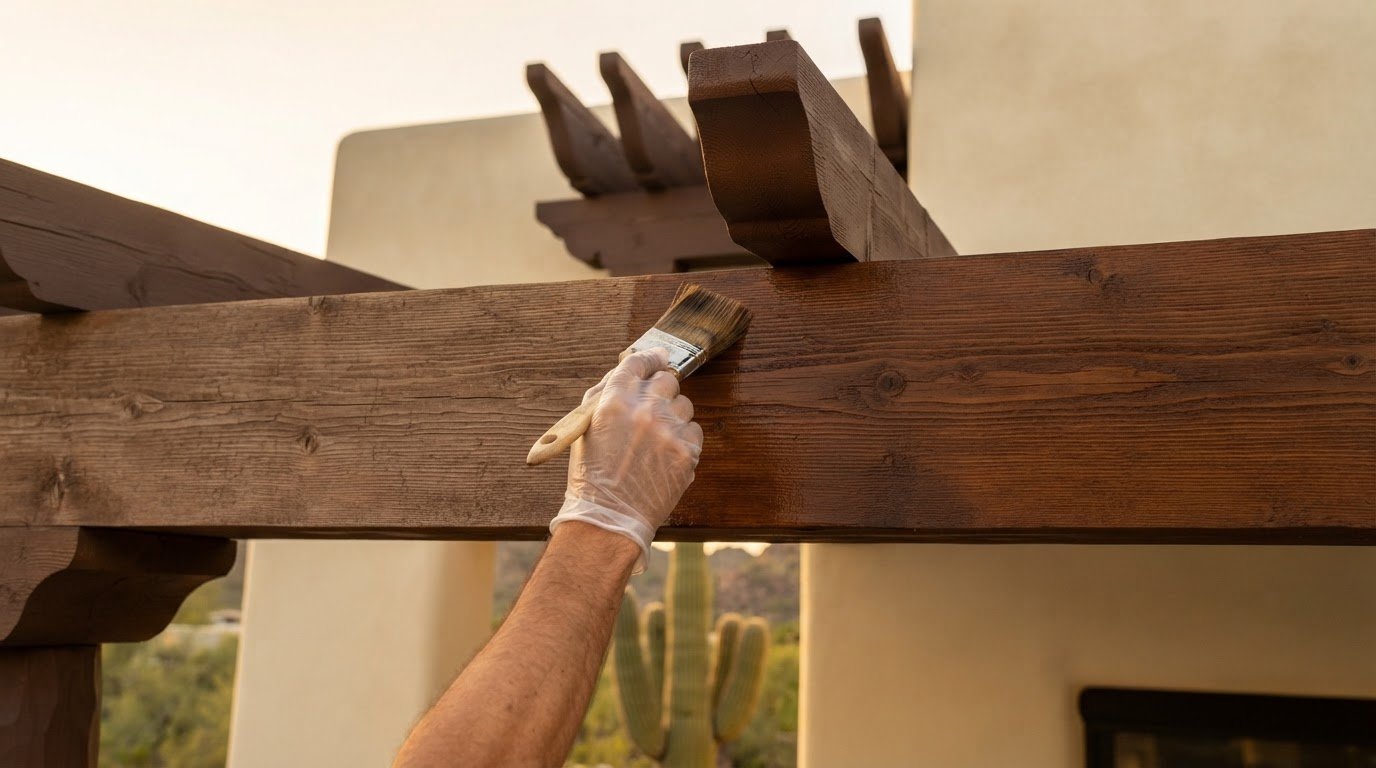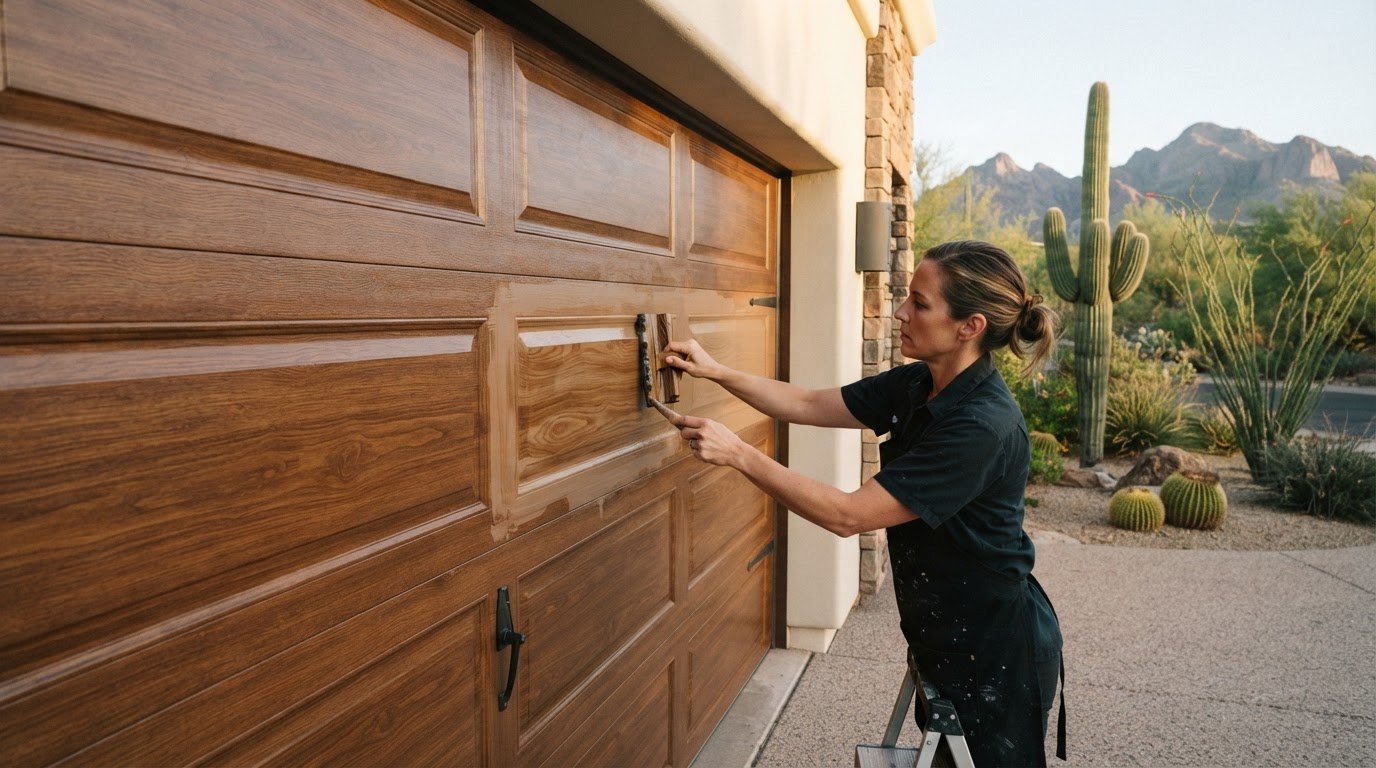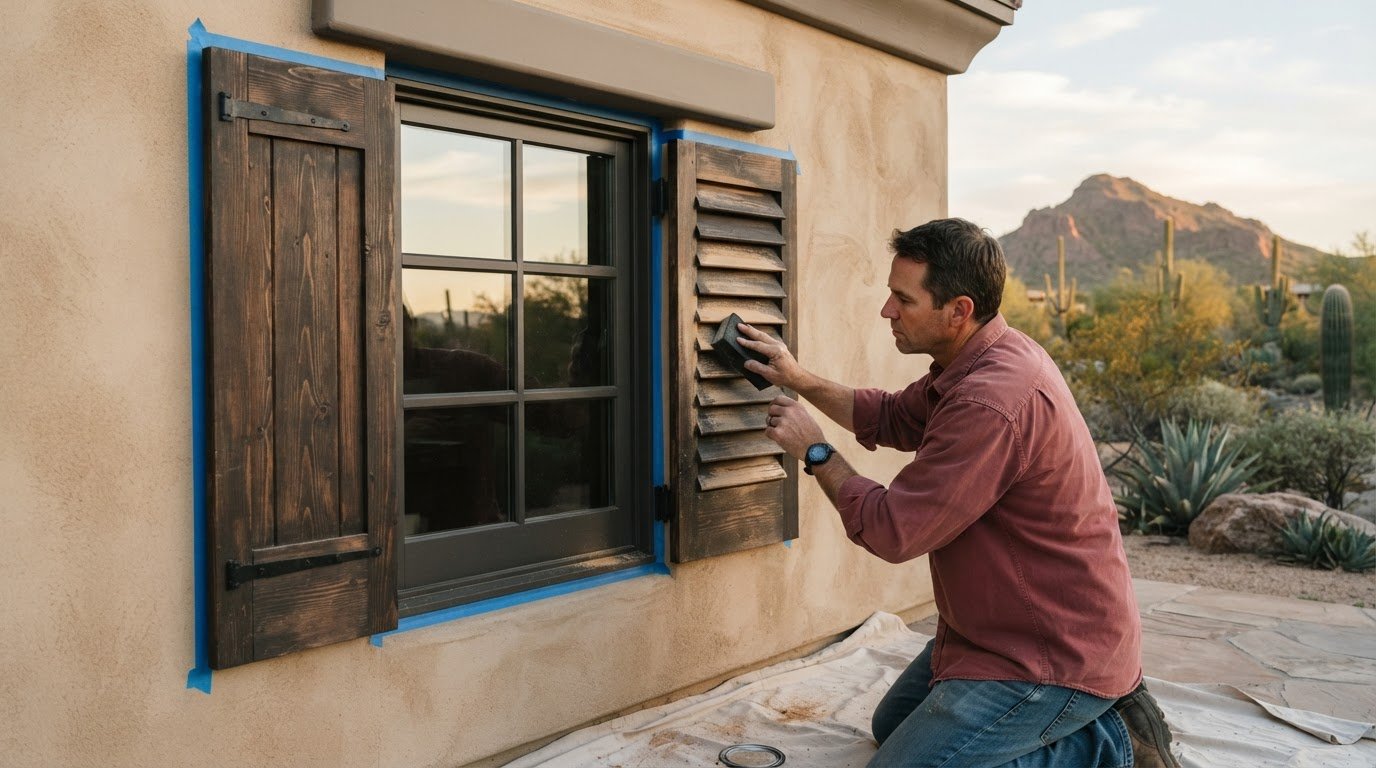

In Paradise Valley, timing matters for a lasting exterior finish. Exterior painting for commercial properties in Paradise Valley is ideally scheduled from fall through early spring, when temperatures are moderate. Intense heat and UV exposure can fade regular paint, so season and coating choice are important considerations.
A fresh exterior can improve a commercial property’s appearance, but the finish depends on more than color. Surface condition, careful preparation, suitable primer, and coatings selected for local exposure all shape the result.
This guide explains how Arizona’s seasons affect scheduling, what preparation and priming contribute, and how coating choices influence a commercial exterior. It also considers properties in Paradise Valley and the wider Phoenix area, helping you understand the decisions behind a well-planned painting project.
Key Takeaways
- Use a project consultation to define the work area, access needs, and sequence that best fits commercial operations.
- Assess each exterior surface before painting so preparation and repairs address its actual condition.
- Match primer and coating choices to the substrate and the finish the project requires.
- Plan work across Paradise Valley Village properties with clear scope and scheduling to support a more orderly project.
Arizona climate and seasonal painting timing
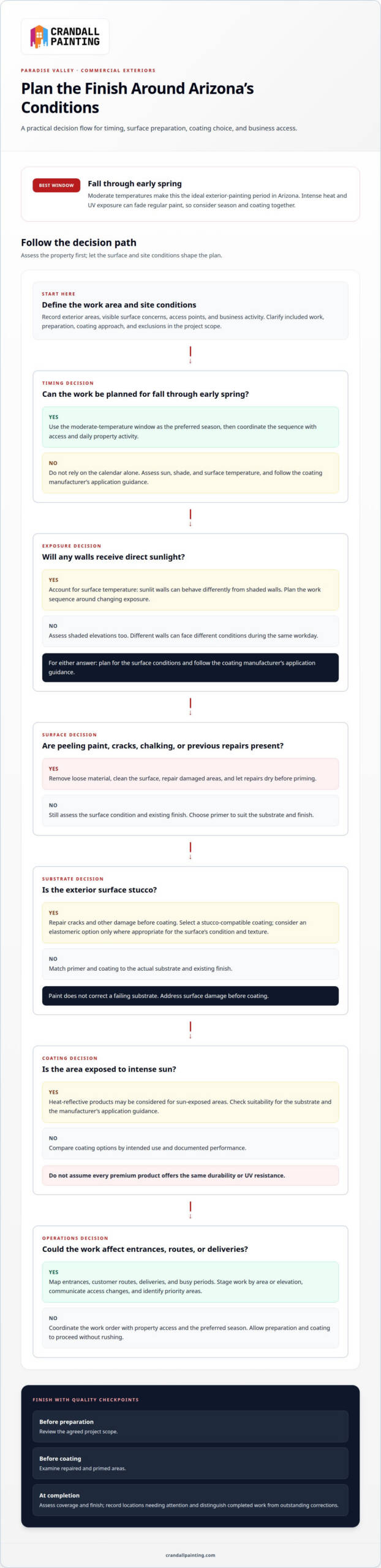
For exterior painting for commercial properties in Paradise Valley, season and exposure shape the work plan. Fall through early spring is the ideal painting window in Arizona, when temperatures are moderate. Intense heat and ultraviolet exposure can fade regular paint, so timing and coating selection both matter for a lasting finish.
In the Phoenix area, a dry climate doesn’t eliminate the need for careful scheduling. Sunlit walls and shaded elevations can face different conditions during the same workday. Before painting, assess which walls receive direct sun, identify shaded areas, and plan the sequence around changing exposure. This helps account for surface conditions instead of relying on the calendar alone.
Arizona sun also makes surface temperature an important consideration. A wall in direct sunlight may behave differently from one in shade, affecting how paint applies and dries. Plan work with those differences in mind, and follow the coating manufacturer’s application guidance. This supports consistent coverage across large façades and architectural features.
Seasonal planning should also account for the property’s daily activity. A Phoenix office entrance or retail frontage, for example, may need a staged sequence that keeps essential access in view. Identify priority areas, coordinate the order of work, and allow preparation and coating to proceed without rushing. Careful planning supports a durable finish and the property’s appeal.
What Arizona contractor licenses are required for commercial exterior painting? Requirements depend on the contracted work and its classification, not simply on whether the property is commercial. Define the project scope and establish which Arizona contractor classification applies before setting the schedule.
Commercial project consultations and scheduling
A defined scope and coordinated schedule help commercial painting proceed with fewer operational surprises. Consultation, documentation, and planned inspections clarify decisions before work begins.
Consultations, Estimates, and Scheduling
A useful consultation records the exterior areas, visible surface concerns, access points, and business activity that shape the work plan. The estimate should describe the included work, preparation, coating approach, and any exclusions, so scope and pricing are clear together. Scheduling can then align the work sequence with property access and the preferred season, rather than relying on an assumed start date. If you’re also considering interior painting, keep that scope distinct.
Minimizing Disruption to Business Operations
Businesses can reduce disruption by mapping entrances, customer routes, deliveries, and busy operating periods before sequencing the work. Painting can then be staged by elevation or area, with access changes communicated to staff and visitors. For example, a retail entrance can remain the priority while another façade is addressed, depending on site conditions. Clear coordination helps protect daily operations without rushing surface preparation.
Set workmanship warranty and payment terms in the written project agreement. The terms should identify what workmanship is covered, any exclusions, when payments are due, and how approved scope changes affect the balance. A detailed agreement clarifies responsibilities, but doesn’t mean every coating or surface concern is covered by a warranty.
Insurance discussions should address the worksite, property access, and relevant project documentation. Record the coverage information supplied and how site responsibilities will be handled before scheduling begins. These details help commercial property teams plan access and manage project records.
Quality assurance works best at defined checkpoints. Review the agreed scope before preparation, examine repaired and primed areas before coating, then assess coverage and finish at completion. A thorough inspection record can note locations needing attention and distinguish completed work from outstanding corrections. This process supports a polished result, whether refreshing a luxury frontage or practical business spaces.
A clear project scope brings scheduling and finish considerations together in one plan.
Exterior surface preparation, priming, and coating
A durable finish begins with the surface, not the color selection. On a commercial stucco façade, assess peeling paint, cracks, chalking, and previous repairs before choosing coatings. Each condition can affect how the new layer bonds and looks.
Preparation should follow a clear sequence: remove loose material, clean the surface, address damaged areas, and allow repairs to dry before priming. Primer selection depends on the substrate and existing finish. A compatible primer helps create an even base, while skipped preparation can leave flaws visible beneath a fresh coat.
Paradise Valley does not have one universal paint color or finish for every commercial property. The right choice depends on applicable design requirements, surrounding materials, and any approvals relevant to the site. Establish those constraints before selecting a palette or sheen.
Arizona’s climate makes coating performance important. Heat-reflective products may be considered for sun-exposed areas, but suitability depends on the substrate and the manufacturer’s application guidance. Compare coating options by intended use and documented performance, rather than assuming every premium product offers the same durability or UV resistance.
Stucco needs particular attention. A stucco-compatible coating, including an elastomeric option where appropriate, should suit the surface’s condition and texture. Repair cracks and other damage before coating, since paint alone won’t correct a failing substrate. This helps the finish complement the building rather than conceal unresolved defects.
Specialty coatings also need a clear purpose. Epoxy flooring is intended for floors, not as a substitute for exterior wall paint. For example, a commercial project may specify an epoxy system for an interior floor and a separate coating for exterior stucco. Choose each system according to the material and its use.
Before application, confirm the selected system’s preparation, priming, and drying instructions. Applying compatible layers in the specified order helps achieve a consistent finish suited to Arizona’s climate.
Commercial painting services in Paradise Valley Village
Paradise Valley is within the Phoenix metropolitan area, where commercial properties vary in design and use. A clear project scope helps match painting services to each building’s surfaces, operations, and desired finishes.
Comparing Commercial Painting Companies
When evaluating a commercial painting project, focus on the documented scope, included preparation, and site-access plan. Check whether the walkthrough identifies damaged areas, coating needs, entrances, and work sequencing. A detailed estimate makes the proposed work easier to understand. Compare those specifics, not just the final finish or a broad promise of quality.
For a Paradise Valley storefront, the plan should account for customer access while façades are being painted. Discuss how progress and completed areas will be reviewed, and how the schedule will fit business operations. These details clarify the project decisions and help keep the work organized.
Permits and HOA Rules
Permit and HOA requirements depend on the property, project scope, and applicable rules. Don’t assume that every repaint needs a permit or that color changes are unrestricted. Before scheduling, identify the governing property or association requirements and establish whether the proposed work affects anything beyond the existing finish.
A Paradise Valley property manager can organize proposed colors, finish details, and scope for the relevant review. If the work includes changes beyond repainting, distinguish those items clearly. This helps separate a straightforward refresh from a broader exterior alteration.
A coordinated walkthrough can connect the site’s needs with a seamless work sequence. Note prominent façades, entry routes, existing finishes, and areas needing repair. A commercial building with a stucco frontage, for example, may need a different preparation plan from painted trim or metal features. Clear documentation defines priorities and supports a finish that enhances the property’s appearance.
For a well-planned result, focus on a written scope describing surfaces, preparation, coating stages, and inspection points. These details make expectations easier to track from the first walkthrough through completion. They also help property teams coordinate access and communicate planned work to occupants.
To discuss a commercial exterior project and its finish requirements, review exterior painting services.
Crandall Painting & Stucco: Exterior Painting
Crandall Painting & Stucco provides exterior painting for commercial properties, helping property owners plan a considered refresh when an exterior needs a renewed appearance or protection. Turn to the team when you’re ready to move from assessing seasonal timing, surface preparation, and coating choices to defining the work for your building.
A project may also include stucco repair when damaged areas need attention before painting. Addressing the surface as part of the scope helps the finish suit the substrate instead of simply covering visible defects. For commercial properties with several exterior materials, discussing the areas and desired finish can guide the project plan.
If you’re considering exterior painting for your commercial property in Paradise Valley, contact Crandall Painting & Stucco to discuss your project.
Shape the Next Step for Your Property
Planning exterior painting for commercial properties in Paradise Valley begins with a clear sense of what the refreshed space should communicate. Consider how the building welcomes visitors, supports daily operations, and fits its surroundings. Those priorities can guide a project discussion toward an intentional finish, rather than change for its own sake.
Crandall Painting & Stucco offers exterior painting and stucco repair for commercial properties. If your plans extend indoors, interior painting may also fit your broader property vision. Bringing those priorities together can establish a coherent direction for the work and clarify which areas matter most to address first.
A useful next step is to discuss the property’s goals, surfaces, and preferred outcome with the team. This helps define a project scope that reflects the building and the experience you want it to offer.
Contact Crandall Painting & Stucco to start a conversation about your property. A thoughtful plan can make the next stage feel clear and considered.
Frequently Asked Questions
What does commercial exterior painting cost in Paradise Valley, AZ?
Commercial exterior painting in Paradise Valley has no single set price; the estimate reflects the property and defined scope. Crandall Painting & Stucco provides a free, no-obligation estimate, with pricing upon request. The estimate should distinguish paintable area from repair work and identify access needs, surface condition, preparation, and selected coatings. Those details make proposals easier to assess against the work included.
What factors affect commercial exterior painting estimates in Paradise Valley?
Estimates are shaped by the amount of surface to paint, its condition, access, and the work needed before coating. A façade with sound stucco has a different scope from one with damaged areas that need repair. The selected finish and coating system also affect the work specified. A useful estimate describes these elements separately, helping property teams understand what the project covers and how scope decisions affect pricing.
How do commercial painters price exterior painting per square foot?
Square-foot pricing uses measured paintable area as a basis, but that figure alone doesn’t describe the full scope. Surface repairs, access, preparation, and coating requirements can change the work involved. Ask for an estimate that explains which surfaces and tasks the measurement includes. For example, clarify whether trim, separate elevations, and repair work are included in the scope or listed separately.
How does Arizona heat affect commercial exterior paint selection and durability?
Arizona heat and strong sun can contribute to fading, particularly on façades exposed to sustained direct sunlight. Coating selection should account for the substrate and its exposure, rather than treating every elevation the same. A sun-facing stucco wall and a shaded entrance may require different planning. Review the coating’s intended application and instructions to choose a system suited to the project conditions.
What is the best season for commercial exterior painting in Paradise Valley?
Fall through early spring is the ideal time to paint commercial exteriors in Arizona, when temperatures are moderate. This window gives property managers a useful starting point for coordinating access, work sequencing, and business activity. Building exposure and surface conditions still matter. At an operating property, set priorities such as visitor entrances and delivery areas before confirming the work sequence.
How long does commercial exterior painting take and what preparation is required?
Project duration varies by scope, including the areas being painted, surface condition, repairs, and preparation required. Before coating, work may involve cleaning and sanding surfaces, caulking gaps, addressing damaged areas, and applying primer. A stucco façade needing repairs, for example, requires a different sequence from a sound, previously painted wall. The project plan should account for preparation and product application instructions before finish coats begin.