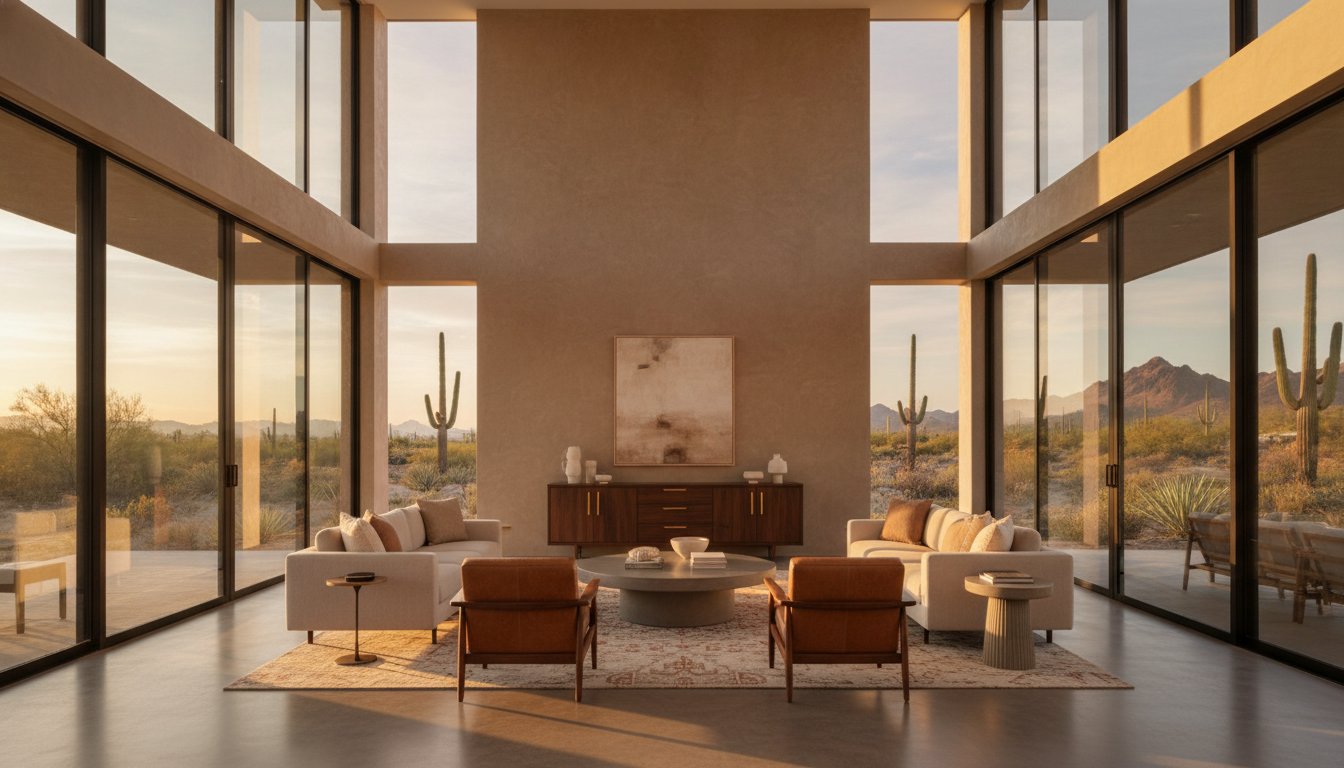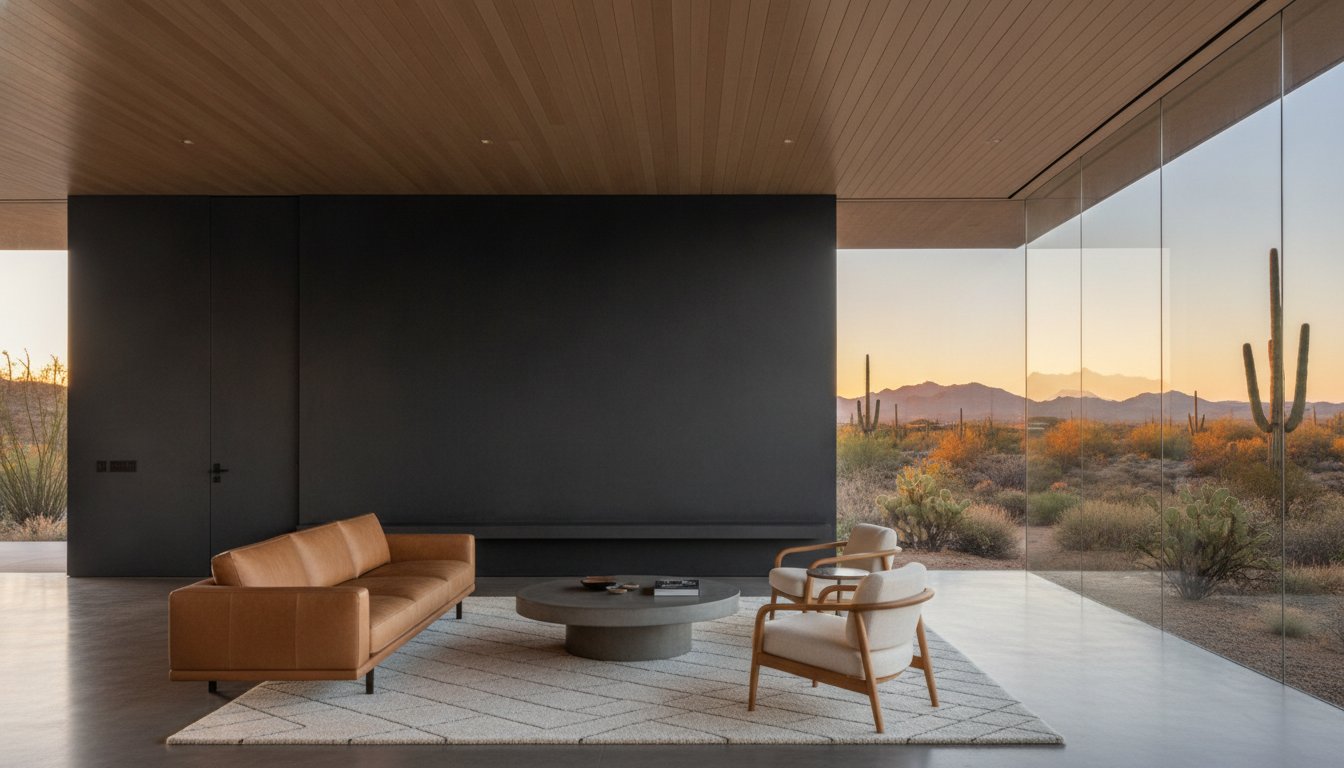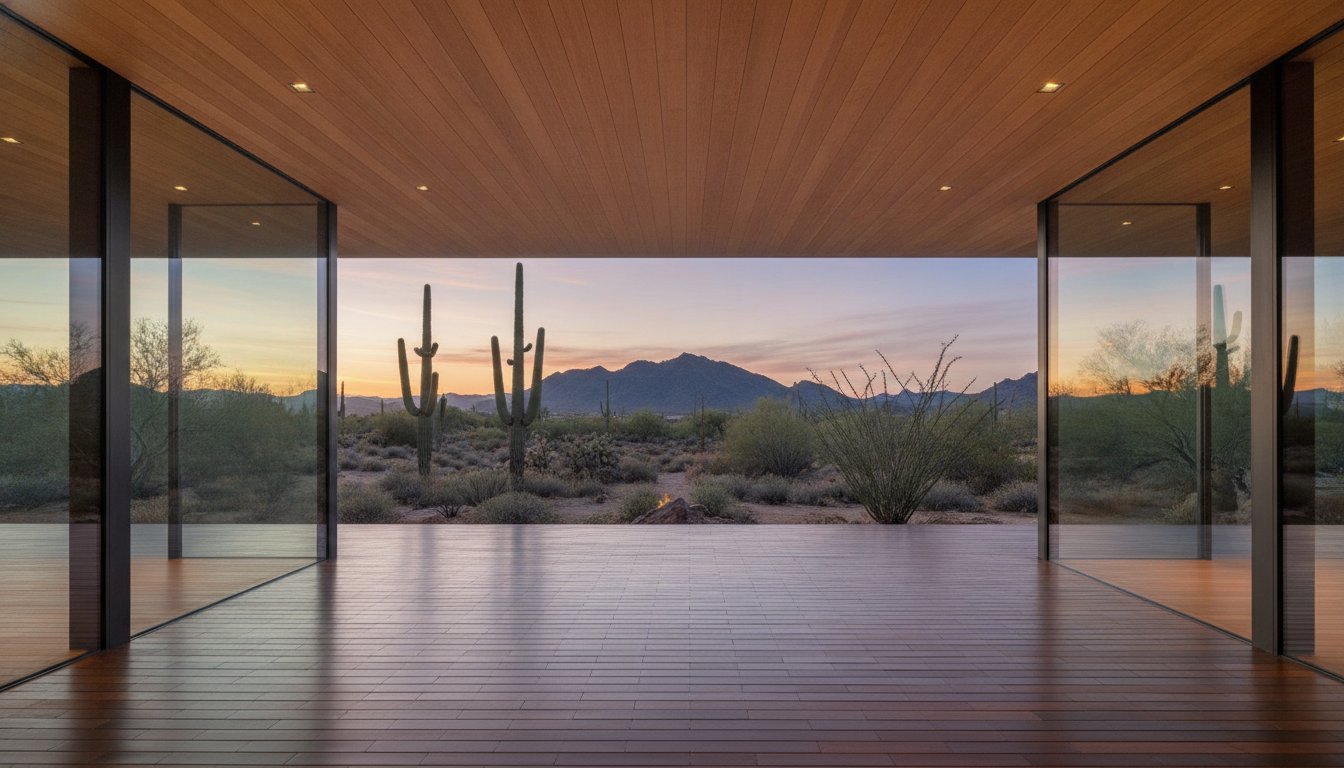

In the refined estates of Paradise Valley, a standard exterior stain isn’t a finishing touch; it’s a countdown to inevitable failure. You’ve likely watched with frustration as your premium Ipe or cedar features lost their luster within a single season, succumbing to the relentless Arizona sun. It’s disheartening to see custom architectural elements turn grey or peel because a contractor used a generic product that cannot withstand 165-degree surface temperatures. We believe your home’s exterior should reflect the same level of artisanal care as its interior.
By choosing professional exterior wood restoration in Paradise Valley, you can reclaim that original showroom glow and shield your high-value assets from the unforgiving desert climate. This article explores the sophisticated techniques required to restore weathered timber to its peak condition. We’ll also detail the sustainable maintenance plans that protect your wood’s structural integrity while eliminating the need for aggressive, messy sanding in the years to come. Your property deserves a finish that is as resilient as it is beautiful.
Key Takeaways
- Understand how extreme UV radiation and diurnal temperature swings in the Arizona desert degrade wood lignin and cause structural cracking.
- Learn why professional exterior wood restoration in Paradise Valley requires meticulous pH balancing to ensure new finishes bond securely for years to come.
- Discover the aesthetic and protective differences between translucent penetrating oils and semi-transparent stains for premium wood species.
- Identify specialized preservation strategies for high-value architectural features like custom entry doors, Viga beams, and tongue-and-groove ceilings.
- Establish a proactive maintenance plan that preserves your estate’s “showroom” look while preventing the need for future aggressive sanding or stripping.
The Science of Sun Damage: Why Wood Fails in Paradise Valley
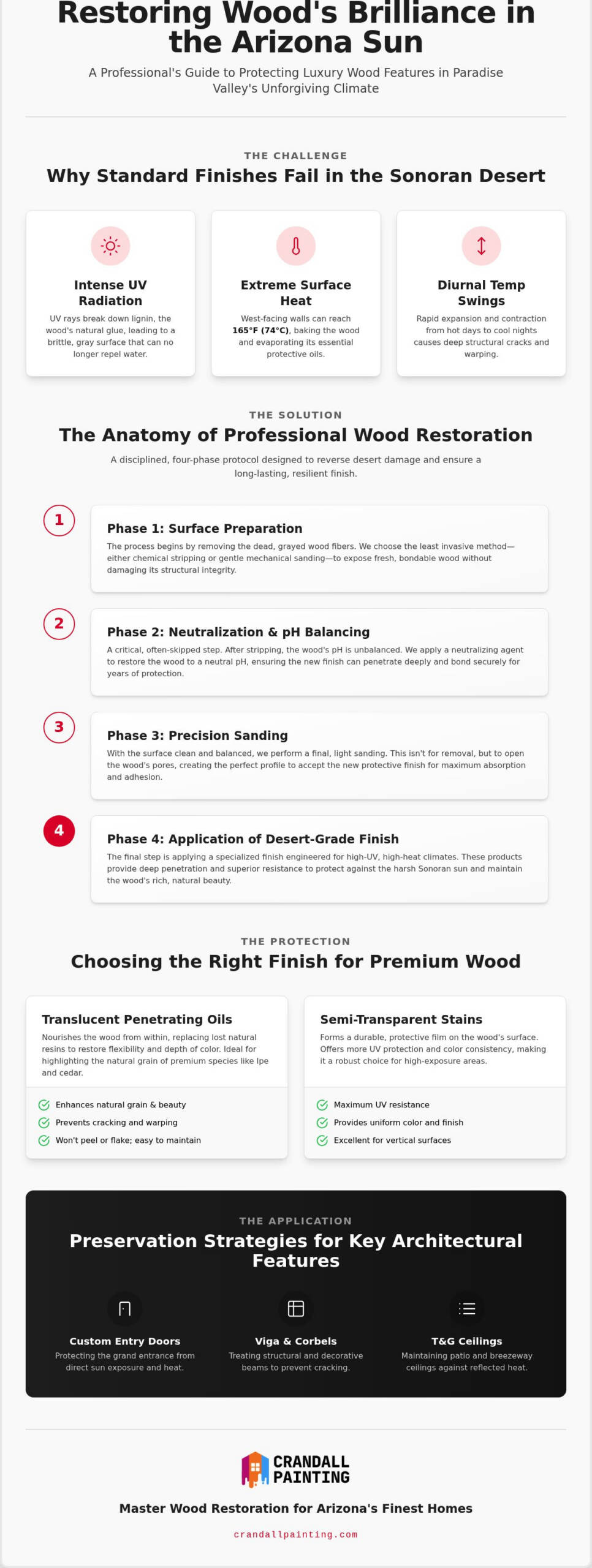
Understanding why wood fails is the first step toward effective exterior wood restoration in Paradise Valley. The Sonoran Desert presents a unique set of atmospheric challenges that go far beyond mere heat. While most homeowners recognize that the sun is harsh, the actual degradation is a complex chemical process where UV radiation dismantles the wood at a molecular level. This environmental pressure requires a more sophisticated approach than standard painting or staining can provide.
Lignin, the natural organic polymer that binds wood fibers together, is particularly vulnerable to the intense UV exposure found at our elevation. When lignin breaks down, the wood loses its structural glue, causing the surface to become brittle and porous. This is the root cause of the silvering effect. As the natural oils and resins evaporate, the once vibrant timber transitions into a dull, grey cellulose shell that can no longer repel water or resist fungal growth. This chemical transition leaves the wood defenseless against the elements.
Thermal dynamics play an equally destructive role in our local climate. In Paradise Valley, west-facing walls can reach surface temperatures of 165°F or higher during the summer months. When the sun sets, the rapid cooling creates significant diurnal temperature swings. This cycle of extreme expansion and contraction causes the wood to check, which means it develops deep structural cracks. Without sufficient internal moisture, which is constantly siphoned off by our low humidity, the wood becomes starved and prone to painful splintering and warping.
UV Degradation and the Breakdown of Natural Oils
Unprotected wood surfaces experience a slow burn as UV rays penetrate the top layers of the grain. This exposure forces essential natural resins to migrate to the surface and evaporate, leaving the timber dry and defenseless. Understanding traditional wood finishing techniques is vital to counteract this loss. Photochemical degradation is the primary cause of wood greying in Arizona. By replacing these lost oils through specialized wood staining and refinishing, we can restore the wood’s natural flexibility and depth of color.
The Role of Microclimates in 85253 Properties
Every luxury estate in the 85253 area contains specific hot zones where degradation accelerates. Southern and western exposures are the most aggressive; they often require more frequent maintenance than shaded northern elevations. Reflected heat from travertine stone patios or glass pool enclosures can intensify local temperatures, creating a convection effect that bakes nearby wood features. Identifying these microclimates allows us to tailor our exterior wood restoration in Paradise Valley to the specific needs of each architectural element, ensuring long-term protection where it is needed most.
The Anatomy of Professional Exterior Wood Restoration
Executing a successful exterior wood restoration in Paradise Valley requires more than just a brush and a bucket; it demands a disciplined, four-phase protocol. Many homeowners are surprised to learn that the actual application of stain is the shortest part of the project. The longevity of the finish is determined almost entirely by the scientific rigor applied during the preparation stages. Our process is designed to reverse years of desert neglect and establish a foundation that can withstand the intense Sonoran sun.
The restoration journey begins with Phase 1, where we choose between chemical stripping and mechanical sanding. We select the least invasive path to protect the wood’s structural integrity. Phase 2 involves neutralization and pH balancing, a critical step that ensures the wood is chemically receptive to new coatings. In Phase 3, we perform precision sanding to open the wood pores without destroying the natural grain pattern. Finally, Phase 4 is the application of specialized desert-grade stains and sealants. These products are engineered to provide deep penetration and high UV resistance, specifically for the 85253 climate.
To understand why these steps are non-negotiable, one can reference The Science of Wood Weathering. This research highlights how degraded surface cells must be removed to expose the fresh, bondable lignin underneath. Without this meticulous removal, the new finish will simply sit on top of dead wood cells and peel away within a single season.
Meticulous Surface Preparation
Power washing is often the enemy of high-end wood restoration. High-pressure water can gouge soft wood fibers and drive moisture deep into the grain, which creates a breeding ground for internal rot. We prioritize a “white-glove” approach that favors hand-sanding for custom entry doors and intricate architectural details. This careful labor removes “mill glaze,” a slick layer of crushed cells from the original milling process, and clears away any previous failed coatings for a perfectly clean slate.
Chemical Balancing and Grain Raising
After stripping, the wood’s pH balance is often disrupted, which can prevent modern stains from bonding correctly. We use professional wood brighteners to restore the natural acidity and vibrant color of the timber. During this stage, we employ a “wet test” technique. By applying a neutral liquid to the bare wood, we can accurately predict how the final restored piece will look under a finish. This ensures total aesthetic clarity before the first drop of stain is applied. If you are ready to see your home’s wood features renewed, viewing our full range of wood services can help you visualize the possibilities. Our team at Crandall Painting & Stucco views every project as a significant investment in your property’s long-term value.
Staining vs. Refinishing: Choosing the Right Treatment for Luxury Wood
Selecting a finish for high-end timber in Paradise Valley is a decision that balances aesthetic vision with the harsh realities of the Sonoran climate. While many contractors treat staining and painting as interchangeable, the distinction is vital for the longevity of your architectural features. A film-forming varnish might look stunning in a showroom, but it often becomes a liability when exposed to 165-degree surface temperatures. High-performance exterior wood restoration in Paradise Valley prioritizes breathability and deep-tissue protection over superficial shine.
The Case for Penetrating Oils in the Desert
Penetrating oils represent the gold standard for luxury species like Ipe, Redwood, and Western Red Cedar. Unlike surface coatings that sit on top of the wood, these oils saturate the fibers to nourish the timber from the inside out. This internal hydration is essential for preventing the structural checking and splintering discussed in previous sections. One of the most significant benefits for homeowners is the simplified maintenance cycle. Because penetrating oils don’t form a hard film, they won’t crack or peel. Future treatments typically only require a thorough cleaning and a fresh application, completely bypassing the need for aggressive chemical stripping or sanding.
Staining for Color Consistency and UV Defense
When an estate features multiple wood species, achieving a cohesive look requires the precision of semi-transparent stains. These treatments use finely ground pigments that act as a high-performance sunscreen for your wood. They offer a sophisticated middle ground: enough pigment to block destructive UV rays while maintaining the visual clarity of the natural grain. Higher pigment density directly correlates to superior UV protection for the wood surface. For older wood that has suffered significant weathering, a solid stain or decorative painting might be the most prudent choice to conceal imperfections while providing maximum protection. We often recommend these for:
- Older pergolas with deep checking and visible age lines
- Fencing with inconsistent natural coloration or sun-bleaching
- Architectural elements that require a specific, curated color palette
Traditional “spar varnishes” or high-gloss urethanes frequently fail in our local microclimates. The extreme heat causes the wood to expand at a different rate than the rigid film, leading to micro-cracks. Once moisture from a monsoon or irrigation system enters these cracks, it becomes trapped, causing the finish to delaminate and peel in unsightly sheets. Successful exterior wood restoration in Paradise Valley relies on breathable finishes that move with the timber rather than fighting against it. By choosing the right treatment now, you ensure your home’s custom wood features remain an asset rather than a maintenance burden.
Preservation Strategies for Desert Architectural Features
Paradise Valley architecture often centers on the warmth and elegance of organic materials. From the grand entry to the shaded pergola, each element serves a specific aesthetic and functional purpose. Effective exterior wood restoration in Paradise Valley isn’t a one-size-fits-all process; it requires a tailored strategy for every unique feature on your estate. By understanding the specific needs of different architectural elements, we can apply the precise level of care required to maintain their value and beauty.
Restoring Luxury Entry Doors
Your front door is the centerpiece of your home’s curb appeal and the primary focal point for every guest. Mahogany and oak are popular choices for their density and rich grain, but they face immense pressure from reflected heat and intense UV rays. We take extreme care in Refinishing Exterior Wood Doors for Desert Homes, ensuring that every decorative panel is treated with precision. Our white-glove approach includes meticulously masking off high-end hardware and protective glass inserts to prevent any contamination from stripping agents or stains. This level of detail ensures the door remains a masterpiece of craftsmanship.
Viga Beams and Southwestern Wood Elements
Viga beams and tongue-and-groove ceilings are the soul of Southwestern architecture. These “round” wood features present a unique challenge because their shape makes traditional mechanical sanding difficult and time-consuming. We pay special attention to the end-grain of these beams. The end-grain acts like a bundle of straws, absorbing moisture during monsoons and drying out rapidly in the summer heat. While “checking,” or the development of cracks, is a natural part of a beam’s character, we ensure these cracks are properly sealed to prevent internal rot. For a deeper look at these regional techniques, see our Restoring Natural Beauty: The 2026 Guide to Wood Restoration in Phoenix.
Shading structures like pergolas and gazebos are often the hardest hit by the elements. These features are exposed to the sun on all sides, requiring a 360-degree protection plan to prevent structural warping or failure. Similarly, gates and fencing maintain your property’s perimeter and require consistent care to ensure the wood doesn’t become brittle. Our team understands how to balance the beauty of these features with the technical requirements of the Arizona environment. We focus on renewal and protection, framing our work as essential maintenance for your most valuable assets.
If you want to preserve the architectural legacy of your home, you can schedule a professional consultation with our master craftsmen today. We view every project as a significant investment in your lifestyle and property value.
Elevating Your Estate with Crandall’s Master Wood Restoration
The final pillar of a successful property preservation strategy is the selection of a partner who views your home as a significant architectural asset. While the technical aspects of timber care are vital, the execution requires a level of discipline and reliability that only comes from years of specialized experience. Choosing the right partner for exterior wood restoration in Paradise Valley is as important as the choice of finish itself, as the longevity of the results depends entirely on the meticulousness of the craftsman.
A Commitment to Meticulous Craftsmanship
Since 2004, Crandall Painting & Stucco has served as a trusted partner for the region’s most discerning homeowners. Our identity is rooted in the tradition of the master craftsman, combining technical precision with an artist’s eye for detail. While many contractors view wood as a commodity, we view it as a living architectural element that requires a nuanced understanding of local environmental stressors. This deep regional awareness is what allows us to deliver results that go beyond the superficial, providing a level of excellence that standard painting services cannot match.
Our bespoke approach means no two projects are treated as identical. We analyze the specific timber species, the sun exposure of the property, and the existing architectural style before recommending a course of action. This tailored strategy ensures that every exterior wood restoration in Paradise Valley meets the highest standards of beauty and protection. Our background in decorative arts and custom faux finishing gives us a unique advantage; we don’t just protect the wood, we enhance its natural character to achieve a flawless showroom finish that reflects the luxury of the surrounding estate.
The Path to Long-Term Preservation
The “Crandall Standard” isn’t just about the initial transformation. It’s about a commitment to long-term value and the renewal of your home’s most prominent features. We believe that a successful project includes a clear maintenance strategy that prevents the cycle of failure and stripping discussed in earlier sections. By implementing a scheduled preservation plan, you can protect your investment and maintain the aesthetic integrity of your estate year after year without the need for future aggressive sanding.
Starting your home’s transformation is a methodical and transparent process. We begin with a comprehensive consultation to assess the current state of your wood features, identifying hot zones and structural vulnerabilities. Our team provides a clear narrative of the “why” and “how” behind our recommendations, guiding you toward a confident decision for your property. We invite you to explore our comprehensive wood staining and refinishing services to see the impact of our professional care.
Your property is a significant investment in your lifestyle and peace of mind. Ensuring its longevity requires a partner who understands the specific environmental nuances of our desert region. Contact us today for a professional wood assessment and discover the difference that artisanal care and master craftsmanship make for your Paradise Valley home.
Preserving the Architectural Legacy of Your Estate
Restoring your home’s exterior wood is more than a cosmetic update; it’s a vital investment in the structural and aesthetic integrity of your property. We’ve explored how the intense Sonoran climate demands a scientific approach to exterior wood restoration paradise valley, moving beyond simple staining to deep-tissue protection. By prioritizing meticulous pH balancing and choosing breathable, high-performance finishes, you ensure that your custom entries and Viga beams remain resilient against the heat.
As a family-owned firm serving the region’s most exclusive estates since 2004, we bring a master craftsman’s perspective to every project. Our specialists in high-end decorative arts understand that luxury properties require a bespoke touch that generic contractors simply can’t provide. You don’t have to settle for failing finishes or greyed timber when a sophisticated, long-term solution is available to protect your investment.
If you’re ready to reclaim the showroom look of your home’s wood features, we invite you to Schedule Your Professional Wood Restoration Consultation today. Let’s work together to ensure your property continues to reflect the excellence it deserves.
Frequently Asked Questions
How often does exterior wood need to be restored in Paradise Valley?
In the intense Arizona climate, high-exposure features typically require professional attention every two to four years. Factors such as southern exposure and proximity to reflective surfaces like pool decks can accelerate this timeline. By establishing a proactive maintenance plan, you can extend the interval between full restorations. This approach ensures your luxury architectural elements never reach a state of failure, preserving the wood’s structural integrity while maintaining a pristine showroom appearance year-round.
Can grey, weathered wood be restored to its original color?
For homeowners interested in high-standard exterior care for surfaces like roofs and decks, you can learn more about the professional maintenance protocols used by Pressure Pros of Palm Beach to keep estates in pristine condition.
Yes, we can successfully reclaim the original vibrancy of weathered timber through a meticulous chemical and mechanical process. The grey “silvering” you see is merely a layer of dead cellulose on the surface. By carefully removing this layer and applying professional-grade brighteners, we restore the wood’s natural pH and reveal the fresh grain beneath. This process is a cornerstone of exterior wood restoration in Paradise Valley, allowing us to renew even severely aged features to their former glory.
Is it better to stain or paint my exterior wood features?
Staining is generally superior for luxury species like Ipe or Cedar because it allows the wood to breathe while highlighting its natural grain. Penetrating oils nourish the fibers internally; this is essential for preventing the structural cracking common in desert environments. Painting is a valid choice when you desire a specific opaque color or need to conceal significant imperfections in older wood. We assess each feature to determine which treatment best aligns with your estate’s aesthetic goals.
What is the best time of year for wood restoration in Arizona?
The temperate months of spring and autumn offer the ideal conditions for wood restoration projects in our region. During these periods, moderate temperatures and lower humidity levels allow stains and sealants to cure slowly and evenly. While we can perform work during other seasons by utilizing early morning construction hours, avoiding the extreme 110-degree summer peaks ensures the most durable bond. This timing prevents the finish from drying too quickly, which can lead to premature failure.
How do I know if my wood needs a simple recoat or a full restoration?
A simple water test is often the most reliable indicator of your wood’s condition. If water beads on the surface, the existing sealant is still performing its protective function and may only need a light recoat. However, if the water soaks in immediately or you notice visible peeling, cracking, and silvering, a full restoration is required. Our team provides detailed assessments to identify the least invasive path that still guarantees long-term protection for your high-value assets.
Can you match the stain on my new wood to existing architectural features?
Achieving a seamless color match across different wood species and ages is one of our core specialties. We utilize custom blending techniques and on-site color testing to ensure your new additions harmonize perfectly with existing architectural elements. This bespoke approach is vital for maintaining a cohesive aesthetic across your entire estate. Our expertise in decorative arts allows us to manipulate pigments with precision, ensuring that the final result feels intentional and integrated into your home’s design.
How long does a professional wood restoration project typically take?
Most high-end residential projects are completed within a three to seven day window, depending on the scale and complexity of the architectural features. This timeline includes the necessary periods for chemical neutralization and thorough drying before the final finish is applied. We prioritize a methodical pace that respects the science of the materials rather than rushing the process. Our team maintains a clean, organized job site to ensure minimal disruption to your daily lifestyle during the transformation.
Does wood restoration help prevent termites or wood rot in the desert?
Professional restoration acts as a critical line of defense against both moisture-driven rot and pest infestations. By sealing structural cracks and replenishing natural oils, we eliminate the entry points that termites and fungi exploit. In Paradise Valley, the monsoon season can introduce unexpected moisture into unprotected wood, leading to internal decay. Our comprehensive exterior wood restoration in Paradise Valley ensures every beam and door is fortified against these environmental threats, significantly extending the lifespan of your custom features. For homeowners also looking to safeguard their property from water damage through advanced gutter protection, check out Snugs Services for expert maintenance tips.