
A well-executed faux finish can make a column a feature; uneven texture or an awkward transition can distract from the room. Faux painting for columns and pillars in Scottsdale starts with sound surface preparation, a finish that suits the architecture, and careful application so light reveals the details as intended.
A convincing sample is only part of the decision. You also need a finish that suits the surface, holds together visually with its surroundings, and can be applied with care. This guide explains what to consider when assessing a column’s condition, choosing a decorative effect, and reviewing a painter’s relevant work. Use these points to compare the proposed finish with the practical needs of your project.
Key Takeaways
- Read reviews for specific details about preparation, communication, finish quality, and how the company handled project challenges.
- Assess how the proposed finish will suit the column’s shape, surface condition, surrounding architecture, and lighting.
- Look for a clear process that includes surface preparation and finish sampling before work begins.
- For decorative finishes or touch-ups, consider how the painting service can address the column and its surrounding surfaces as one cohesive project.
Customer reviews of local faux painting companies
Reviews are most useful when they describe the work, not just the final impression. For a column project, look for comments about surface preparation, sample approval, clean edges, and transitions to nearby walls or trim. A review describing a specific challenge, such as matching an existing stone pattern, offers more insight than a general compliment. Notice how the company responds to criticism, too: a clear, professional reply can show how it handles differing expectations.
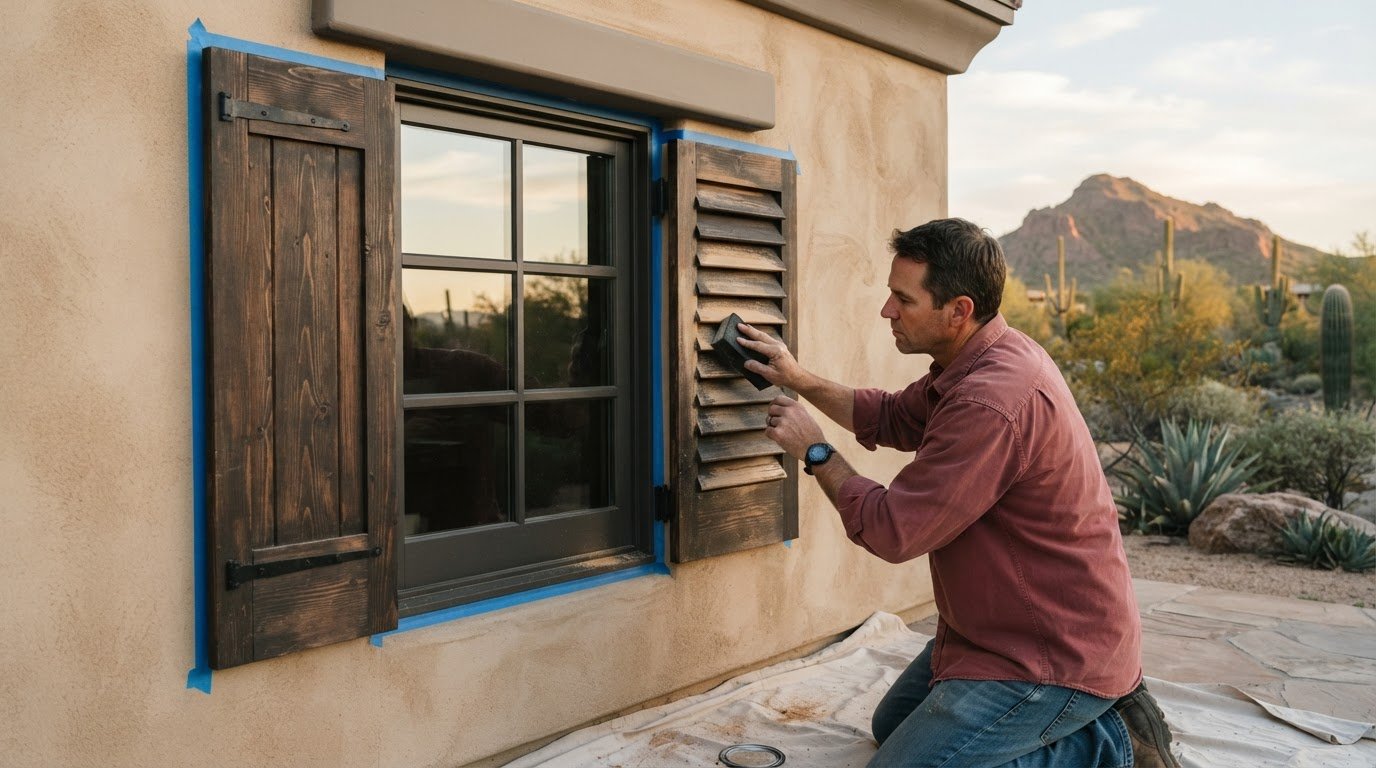
Match the review details to your own surfaces. A smooth interior pillar and a weathered exterior column call for different preparation. Useful feedback may describe whether the crew cleaned the surface, addressed visible damage, protected nearby furnishings, and kept the design consistent across curved or fluted sections. Before work starts, clear furniture and décor from the area; surfaces may need cleaning or repair. These steps help keep detailed finish work on track.
For Scottsdale exterior columns, distinguish community design approval from permitting. Applicable standards and local requirements depend on the property and the project scope. A color-only repaint differs from repairs or structural changes, so resolve any approvals that apply before scheduling work.
Reviews can also help you assess leather, suede, and other custom wall finishes. Look for examples that identify the chosen texture and explain how it relates to the room’s materials and lighting. A leather-like finish might suit a study with dark wood, while a softer suede effect can complement a quiet bedroom. Ask whether the company can show a sample before applying the finish across a large wall.
Faux-marble and painted columns demand careful attention to pattern and proportion. Convincing veining should look balanced across the column, rather than stopping abruptly at each edge. Reviews mentioning sample review, color coordination, or careful work around capitals and bases can indicate relevant experience. For faux painting on Scottsdale columns and pillars, look for feedback about comparable surfaces and specific finishing steps, not just broad claims of quality.
Faux painting and decorative finishing in Phoenix and Scottsdale
In Phoenix and Scottsdale homes, faux finishes can give plain columns the character of stone, aged cast stone, or refined plaster. Faux stone uses layered colors and varied markings to suggest natural material without adding stone pieces. An aged cast-stone effect can soften a new-looking surface while keeping the column’s shape and architectural details visible. The finish should relate to nearby flooring, wall colors, and trim.
For exterior columns in Arizona’s heat and sun, preparation and timing matter. Begin with a clean, sound surface, choose coatings intended for exterior use, and follow their application directions. Direct sunlight can affect application and drying, so account for the column’s exposure and avoid painting a hot surface. A sample on the actual surface helps you assess color and texture in changing daylight.
Paint and glaze each play a different role in a faux finish. The base color establishes the ground; a translucent glaze can add depth, movement, or subtle variation. For example, warm beige beneath a deeper brown glaze can suggest sandstone, while gray layers can create a cooler stone impression. The tools and application pattern shape the final effect, particularly across curves and fluted details.
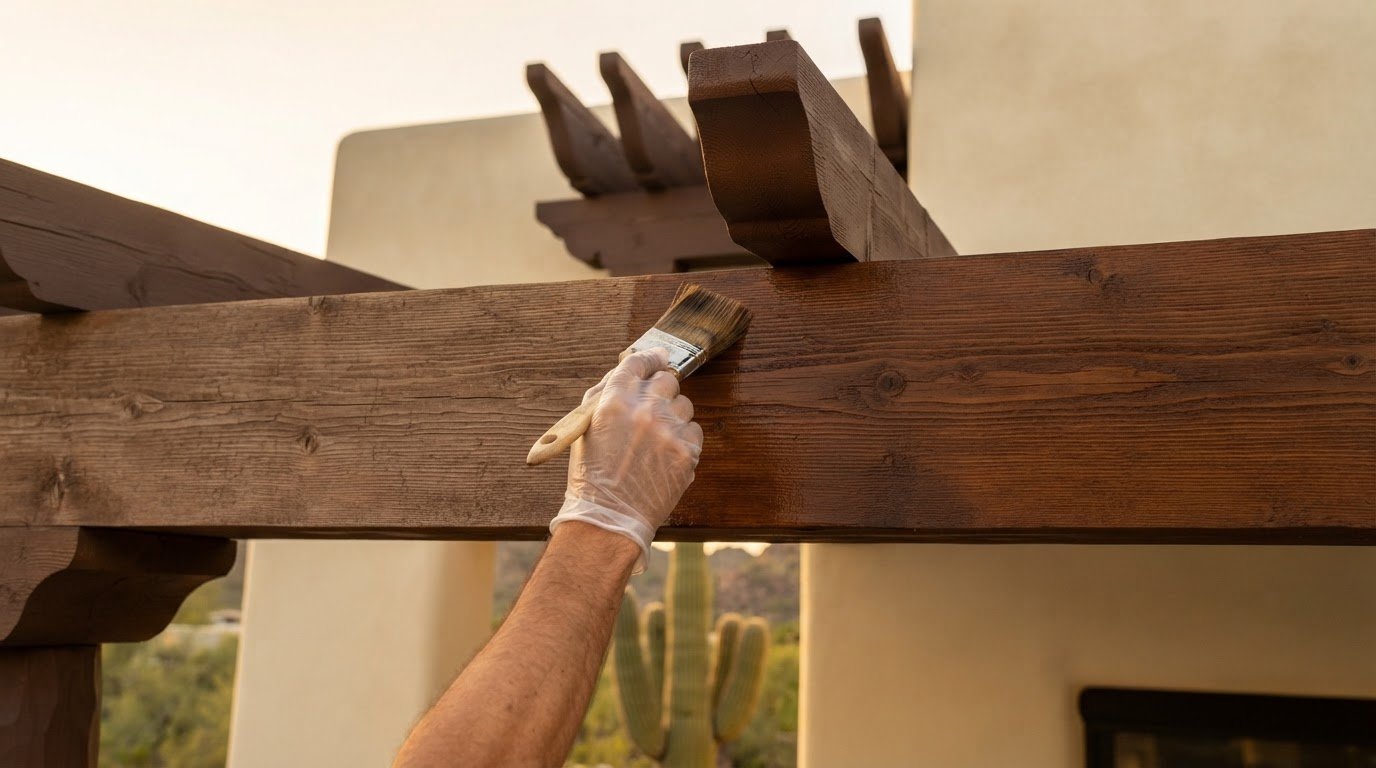
Woodgraining offers another way to bring material character to a column or nearby trim. A painted wood effect can suggest grain direction, knots, and tonal variation on a suitable surface. Aligning the grain across adjoining sections helps the treatment feel intentional. On a smooth interior pillar, restrained grain can echo nearby woodwork without competing with the room’s other finishes.
Washable and durable finishes are practical considerations for frequently touched columns, hallways, and entryways. Select a finish suited to the location, then consider how its sheen will reveal texture under Scottsdale’s bright light. A matte appearance can reduce glare, while a more reflective surface may emphasize raised details. For decorative finishing options, connect the desired look with the surface and its exposure before settling on a sample.
Faux painting professionals serving Scottsdale
A skilled decorative painter needs to understand both the column’s surface and its architectural role. A smooth round pillar, a fluted entry column, and a square interior pier each bring different challenges. The painter plans how color, veining, or texture will carry around curves and across edges. In Scottsdale homes, that planning helps the finish work with nearby trim, stone, and wall color.
Experience can be useful context, but it doesn’t replace relevant project examples. One local painter says he has used more than 20 years of experience to provide decorative painting in Maricopa County since 1999. Use that statement as a prompt to examine actual work: look for columns with a similar shape, finish, and setting to yours. Specific examples reveal more than a broad claim alone.
Maricopa County is the relevant service-area frame for many Scottsdale projects. A property in Scottsdale may share design influences with homes in Phoenix, yet differ in surface materials, exposure, or architectural detailing. When discussing a project, identify whether the column is indoors or outdoors, describe its current condition, and note surrounding materials. Those details help a professional consider preparation and finish choices accurately.
A practical project discussion follows a clear sequence. Describe the column’s material and profile, such as stucco with a rounded shaft. Explain the intended effect, perhaps faux stone coordinated with existing entry masonry. Then review how a sample will look beside the home’s fixed finishes. This gives everyone a concrete reference before detailed application begins.
For faux painting on Scottsdale columns and pillars, assess whether the painter can explain the design choices plainly. Ask how the finish will transition around capitals, bases, and adjoining walls. A sound process connects the visual plan to the actual surface instead of treating every column like a flat panel. Examples from Scottsdale, Phoenix, Paradise Valley, Carefree, DC Ranch, Desert Mountain, and Scottsdale Mountain can help you assess local relevance.

Choosing a trustworthy faux painting company
A painter’s process should be clear before work begins. For a Scottsdale column, the plan should connect the surface condition, chosen effect, and architectural details. Ask for a sample that shows how the finish will look around curves, fluting, or a capital, not just on a flat wall. A clear explanation of preparation and application gives you a practical basis for assessing the proposal.
A sample can also clarify color and texture in the actual setting. Some faux-finish businesses prepare samples on two-foot-square pieces of masonite before starting work. Review a sample beside the column’s nearby stone, flooring, or trim, then consider it under the room’s lighting. For a faux-marble design, check whether the veining feels balanced across the sample instead of appearing overly uniform.
Look for evidence that the painter understands decorative work, not simply broad painting projects. A portfolio should show finishes comparable to your column’s material and shape. Reviews can add context when they describe communication, preparation, and how details were handled. A claim of 30 years of experience, for example, matters less than relevant examples and a process you can understand.
- Scope: The written description identifies the column, finish, preparation, and adjoining surfaces.
- Samples: The proposed color and texture can be considered before application.
- Craft: Examples show transitions around edges, bases, and architectural details.
- Communication: The process explains how decisions are made and what the work includes.
For faux painting on Scottsdale columns and pillars, assess examples and the project plan together. A polished portfolio without a clear plan leaves practical questions unanswered; a detailed plan without relevant examples offers little evidence of the finish. Look for a painter who can connect both to your specific surface and design.
Ready to discuss a decorative finish for your project? Explore painting and finishing services.
Crandall Painting & Stucco: Faux Finishing & Touch-Up
Crandall Painting & Stucco offers faux finishing and touch-up for columns that need a decorative finish or a considered refresh. This service can suit a project involving a faux-stone effect, painted detail, or existing finish that needs attention. If the column also has damaged stucco, the company’s stucco repair can address that related issue. Interior and exterior painting can also help coordinate nearby surfaces.
When discussing the work, share the column’s location, surface condition, and desired appearance. These details help define the project and show how the finish should relate to nearby walls, trim, or exterior materials.
Contact Crandall Painting & Stucco to discuss faux finishing or touch-up for your columns.
Shape a finish that belongs to your home
A column’s finish can create a deliberate transition between a home’s materials, colors, and spaces. Before moving ahead, decide what role you want it to play. A restrained stone effect can blend with an entry, while a more defined decorative treatment can make a pillar a focal point. That decision gives the project a clear direction.
For faux painting for columns and pillars in Scottsdale, Crandall Painting & Stucco can help coordinate the finish with surrounding surfaces. Its services include exterior painting, stucco repair, and interior painting when the column’s setting or condition calls for related work. Describe the column and the look you have in mind to start a free, no-obligation estimate.
Contact Crandall Painting & Stucco to discuss your project and take the next step toward a considered finish.
Frequently Asked Questions
How do Faux Painting Companies address common challenges during the process?
A good faux-finish plan matches the effect to the surface and its surroundings. For example, a column beside patterned tile may call for a quieter stone effect to avoid visual competition. Review the color relationship and pattern scale before application. If an existing coating is damaged or uneven, its condition also guides preparation and finish choices.
What are the indicators of a trustworthy and high-quality Faux Painting Company?
Look for clear project documentation, relevant examples, and defined protections. Crandall Painting & Stucco is fully licensed, bonded, and insured, and offers a two-year warranty on its work. A detailed estimate should explain the scope and sequence. These details help you understand what the work covers, how it will proceed, and what support comes with the finished project.
What is the expected duration of a typical faux painting project?
Project duration depends on scope. A single column with a straightforward finish differs from several exterior pillars that need surface repairs and layered effects. Crandall Painting & Stucco schedules projects after preparing a detailed estimate, and the timeline varies by scope. The number of surfaces, their condition, the chosen finish, and the application sequence all shape the schedule.
What preparation steps should homeowners take before starting a faux painting project?
You do not need to be home during the work, according to Crandall Painting & Stucco’s project information. The crew protects furniture and flooring with drop cloths, tape, and coverings. Before work is scheduled, make the area accessible and identify delicate furnishings or surfaces that need particular care. Clear communication about access helps protect the space and keep the work moving efficiently.
Where can I find faux painting contractors for columns and pillars in Scottsdale, AZ?
For faux painting for columns and pillars in Scottsdale, Crandall Painting & Stucco offers faux finishing and touch-up. Its service area includes Scottsdale, Phoenix, Paradise Valley, Carefree, DC Ranch, Desert Mountain, and Scottsdale Mountain. Start with a free, no-obligation estimate. Share whether the column is indoors or outdoors and describe the finish you’re considering to help define the project.
Which faux painting techniques work for marble, wood grain, stone, and Venetian plaster columns?
Marble effects use painted veining and layered tones; wood-grain finishes suggest natural grain direction and variation. Faux stone uses color layers and irregular markings to evoke masonry, while Venetian plaster creates a textured, polished appearance. A column’s profile influences how each pattern should continue around curves or corners. Choose a technique that complements nearby materials and the architectural style rather than competing with them.